
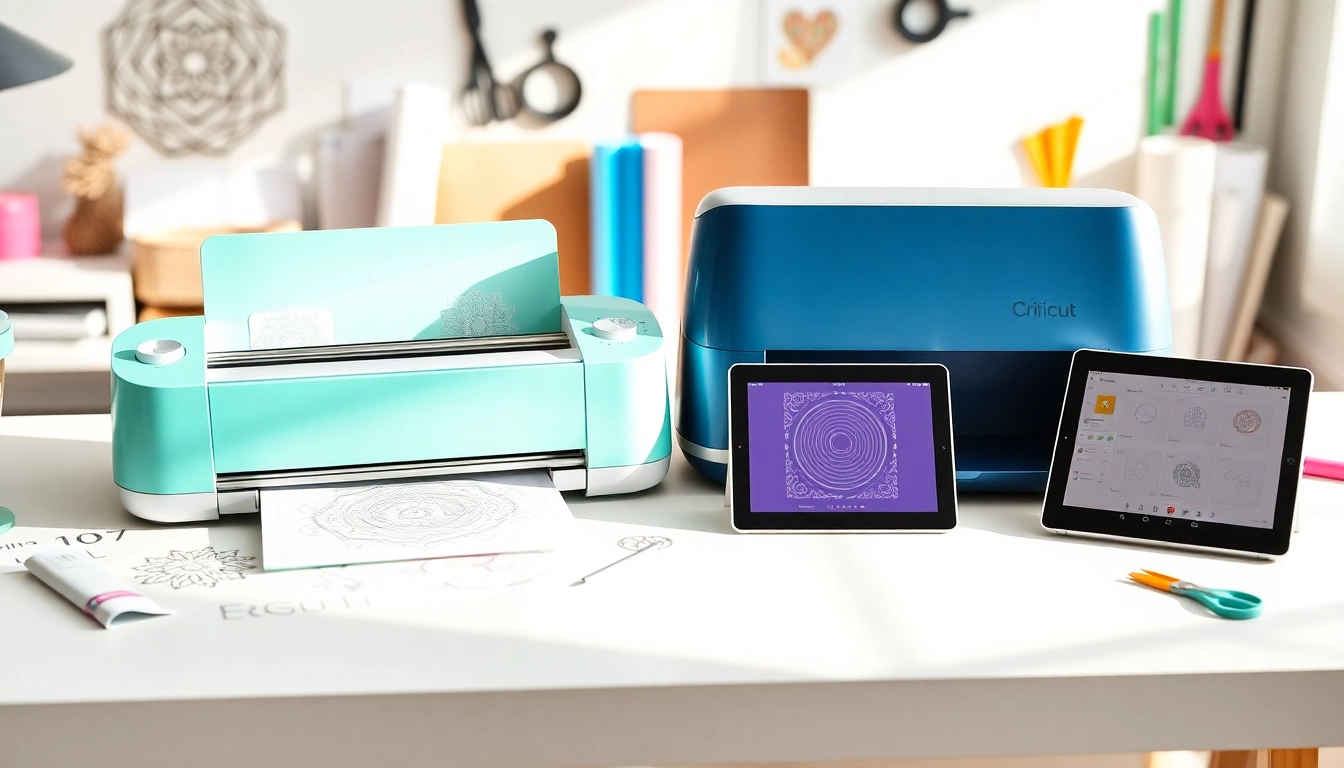
Understanding the Basics of Silhouette vs Cricut
Crafting enthusiasts often find themselves at a crossroad when it comes to choosing between Silhouette and Cricut machines. Both brands offer a range of cutting machines that cater to hobbyists and professionals alike, yet they have distinctive features and functionalities that can heavily influence your crafting experience. As technology evolves, these machines have made impressive advancements, pushing the boundaries of what can be achieved in crafting. When exploring options, silhouette vs cricut provides comprehensive insights into the differences and advantages of each, ensuring you make an informed decision. In this article, we will dive deeply into the specifics of each brand to help you navigate your choices with confidence.
1. Overview of Cricut Machines
Cricut machines are well-known for their user-friendly interfaces and extensive library of design options. The flagship model, the Cricut Maker 3, is designed for versatility, allowing users to cut materials ranging from delicate paper to thick leather and fabric. With its Adaptive Tool System, the Cricut can tackle a variety of crafting techniques, including cutting, writing, and scoring.
One standout feature of Cricut machines is the Design Space software, which offers a seamless experience for both beginners and seasoned crafters. It integrates with a vast library of images and fonts and can even upload custom designs. Additionally, Cricut machines are compatible with various tools, enabling users to personalize their projects easily.
2. Overview of Silhouette Machines
Silhouette machines, particularly the Silhouette Cameo 4, have garnered a loyal following due to their robust cutting capabilities and advanced software options. The Cameo 4 can manage a wide array of materials as well, boasting a cutting force of up to 5,000 grams, which is particularly appealing for those looking to work with thicker materials.
A significant advantage of Silhouette is its Silhouette Studio software, which is known for its flexibility. Users can create intricate designs with ease, manipulating elements more freely than they might with Cricut’s Design Space. This software allows for more comprehensive customization options, making it a popular choice among professional crafters and small business owners.
3. Key Features Comparison
When comparing Cricut and Silhouette machines, several key features need attention, including cutting precision, material versatility, and software usability. Understanding these features can help you determine which machine best fits your needs.
- Cutting Precision: Cricut machines are often praised for their accuracy and reliability, making them a favorite for precise projects like intricate vinyl cutting. Silhouette machines, while also precise, offer an advantage when working with thicker materials due to their higher cutting force.
- Material Handling: Cricut tends to have a more straightforward approach to material handling. Silhouette’s larger cutting area and ability to handle a more extensive range of materials may cater better to complex projects.
- Software Usability: Beginners may find Cricut’s software easier to navigate, while advanced users might appreciate the depth and flexibility that Silhouette Studio offers.
Performance and Capabilities
1. Cutting Precision: Cricut vs Silhouette
The cutting precision of each brand plays a vital role in the outcomes of various projects. Cricut machines, particularly the Maker series, deliver remarkably accurate cuts, making them ideal for detailed designs and text. The rotary blade feature allows for cutting fabric without a backing, enhancing precision for sewing projects.
On the other hand, Silhouette machines shine when it comes to thick materials. The cutting force of the Cameo 4 offers an edge, allowing users to cut through tougher materials like chipboard and foam projects with ease. This feature makes Silhouette machines particularly favorable among professionals or crafters who frequently work with diverse material types.
2. Versatility in Material Handling
Cricut machines are engineered with a wide range of materials in mind, from paper and vinyl to certain fabrics. Their Adaptive Tool System allows for easy switching between tools for cutting, writing, and marking. Users also benefit from a selection of specialty products, such as the infusible ink transfer system for creating custom apparel.
Silhouette machines also offer versatility but excel in handling multiple material types, particularly heavier materials. The Cameo 4 includes a dual motor system that enables simultaneous cutting and drawing, allowing for more complex designs without requiring additional setups.
3. Software Usability for Beginners
For those new to crafting, software usability can significantly affect the learning curve. Cricut’s Design Space is generally favored for its intuitive interface and easy-to-follow tutorials. The design software promotes a user-friendly experience, making it ideal for beginners wishing to create projects without extensive prior knowledge.
Conversely, Silhouette Studio, while offering more advanced options, might initially overwhelm new users due to its depth and complexity. However, once understood, it provides powerful tools for design that can take projects to the next level, making it valuable for committed crafters.
Cost Considerations: What You Need to Know
1. Initial Purchase Price Comparison
The initial purchase price can vary significantly between Cricut and Silhouette machines. Cricut machines tend to be priced higher, often reflecting their advanced features and user base. The Cricut Maker typically retails around $399.99, while the Cricut Explore series offers more budget-friendly options starting around $249.99.
Silhouette machines, such as the Cameo 4, are generally more affordable, starting around $299.99. This price point can attract those who are budget-conscious yet still want access to powerful crafting tools. When considering cost, it’s important to factor in not just the machine price but also the associated tools and materials needed for effective operation.
2. Ongoing Costs: Supplies and Accessories
Ongoing costs can also vary depending on which machine you choose. Cricut accessories, such as specialized blades, mats, and materials, can add up quickly. However, many users find that Cricut has an extensive range of products available, often leading to competitive pricing and frequent sales.
Silhouette accessories generally have a lower entry cost, but it’s necessary to consider the software capabilities that can require more investment for advanced features. Users may need to purchase additional designs or tools to maximize the machine’s potential, especially for commercial use.
3. Value for Money: Which is More Worth It?
Determining value for money can be subjective and depends on the user’s specific needs. Cricut machines are often favored for their ease of use, quality cuts, and extensive library, making them a solid investment for casual and dedicated crafters alike.
Silhouette machines can offer better value for individuals who require a more extensive material handling capability and prefer advanced design features. Crafters who heavily rely on customization and the ability to create in-depth designs may find that the added functionalities justify the investment in a Silhouette machine.
User Experience and Community Support
1. Community Resources and Tutorials
Both Cricut and Silhouette boast vibrant online communities that offer support, tutorials, and inspiration. Cricut users can access a wealth of video tutorials, blogs, and forums dedicated to helping users maximize their machines. Cricut’s website also features a variety of project ideas and tips for new users.
Similarly, Silhouette’s community is robust, with various online forums and Facebook groups where users share tips, tricks, and project inspirations. The Silhouette School blog is a popular resource, providing extensive tutorials on software and machine use.
2. User Feedback: Real Experiences
User feedback often highlights the strengths and weaknesses of each brand. Cricut users frequently praise the user-friendly aspect and the vast selection of design options available. Many appreciate the support provided through official channels and community forums, which can ease the learning curve.
Silhouette users often commend the machine’s cutting power and versatility, particularly for heavier materials. However, some beginners note that mastering the software can be challenging and may require a steeper learning curve initially.
3. Troubleshooting Common Issues
Common issues can arise with both machines, from connectivity problems to blade dullness. Cricut users might encounter software glitches or issues with updates, while Silhouette users sometimes face challenges related to cutting issues or software errors. Fortunately, both brands offer troubleshooting guides on their websites and active user communities ready to assist with solutions.
Future Trends in Crafting Technologies
1. Emerging Features in 2026 Machines
As we move further into 2026, we can expect both Cricut and Silhouette to enhance their machines with even smarter technology. Features like improved connectivity through mobile apps, voice activation, and higher cutting precision will likely become standard. The integration of AI may also play a role in automating design suggestions based on user preferences and previous projects.
2. Sustainability in Crafting Machines
With growing concerns over sustainability, both brands are likely to focus on eco-friendly materials and practices. The crafting community is increasingly seeking solutions that reduce waste, and brands will respond by incorporating recycled materials into machine production and offering more sustainable accessories.
3. Predictions for Crafting Innovations
Looking ahead, we anticipate exciting innovations in crafting tools. Features such as multi-material cutting capabilities, enhanced design software integration, and even the potential use of augmented reality to visualize projects before cutting could revolutionize the crafting experience. The future promises to make crafting more engaging and accessible, catering to a broader audience.