
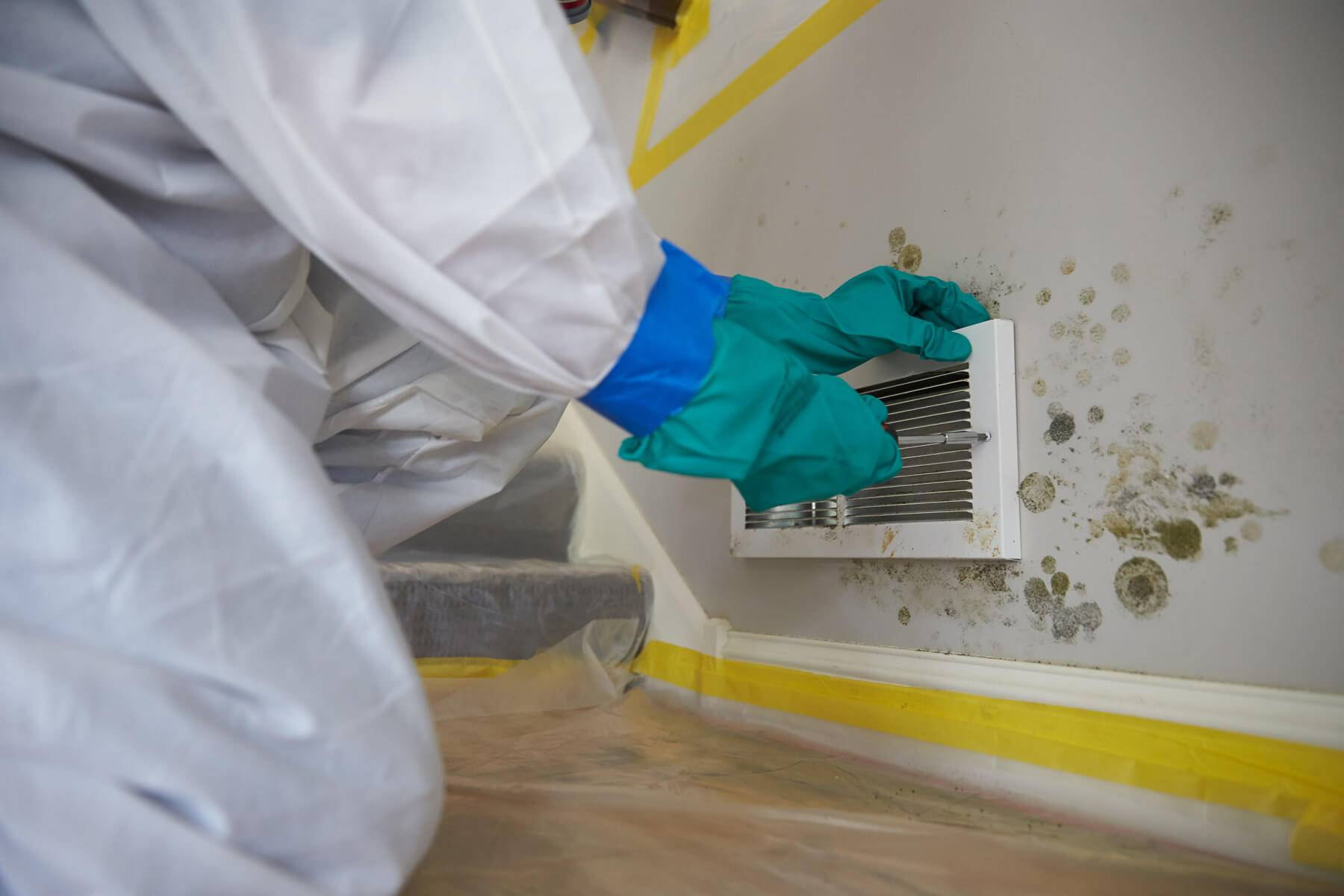
Roof leaks are one of the most common and destructive problems homeowners face in Florida’s humid and storm-prone climate. When left untreated, even a small leak can quickly escalate into serious structural damage and widespread mold growth. This is why understanding how roof leaks develop and how they lead to moisture problems is essential for every homeowner. In many cases, addressing issues early with a professional mold removal service can prevent costly repairs and long-term health risks.
In Florida, where heavy rain, hurricanes, and constant humidity are part of everyday life, roof systems are under continuous stress. Once water enters the home, it creates the perfect environment for mold to thrive. This makes timely action and awareness of mold removal service solutions critical for protecting both property and health.
Understanding Roof Leaks in Florida Homes
Roof leaks in Florida often begin with small vulnerabilities that go unnoticed until significant damage occurs. Strong winds from storms can lift shingles, while heavy rain can exploit weak points in roofing materials. Over time, these small openings allow water to seep into attic spaces and interior ceilings.
When water enters a home, it does not simply stay in one place. It spreads through insulation, wooden structures, and drywall. This hidden moisture becomes the foundation for mold growth. In many cases, homeowners only discover the problem after visible stains appear, by which time a mold removal service is already needed.
Because Florida homes are exposed to frequent weather extremes, roof maintenance becomes essential. Without proper inspections, even a minor crack or missing shingle can lead to extensive water intrusion that eventually requires a mold removal service to address the resulting contamination.
How Roof Leaks Lead to Water Damage
Water damage begins the moment moisture enters the roofing system. The attic is usually the first area affected, where insulation absorbs water like a sponge. Once insulation becomes wet, it loses its effectiveness and creates a damp environment that spreads moisture further into the home.
As water continues to travel, it reaches ceilings and walls. Paint may begin to bubble, drywall can soften, and wooden beams may start to warp. At this stage, homeowners often realize the severity of the issue and may need a mold removal service to prevent further deterioration.
If the leak continues untreated, structural components of the home can weaken significantly. Over time, this level of damage requires not only repairs but also a full mold removal service to eliminate hidden mold colonies that form within saturated materials.
The longer water remains inside a structure, the greater the risk becomes. This is why professionals often recommend immediate action and inspection once a leak is detected, as delaying can make mold removal service intervention more extensive and expensive.
The Connection Between Moisture and Mold Growth
Mold thrives in damp, warm, and poorly ventilated environments—conditions that are extremely common after roof leaks in Florida. Once moisture is present, mold spores begin to grow within 24 to 48 hours. This rapid growth is why a mold removal service is often required shortly after water damage occurs.
Attics and ceiling cavities are especially vulnerable because they trap humidity and restrict airflow. When water from a roof leak enters these areas, it creates the ideal environment for mold colonies to expand unnoticed. A professional mold removal service is often the only way to fully eliminate hidden growth.
Mold does not just stay on the surface. It penetrates porous materials like drywall, insulation, and wood. This means that even after visible water is dried, contamination may still exist. That is why many homeowners rely on a mold removal service to properly assess and treat affected areas.
In Florida’s climate, the combination of heat and moisture accelerates mold growth. This makes prompt attention to roof leaks essential, as delaying action often leads directly to the need for a mold removal service.
Health Risks Associated with Mold from Roof Leaks
When roof leaks lead to mold growth, indoor air quality can quickly deteriorate. Mold spores become airborne and circulate throughout the home’s ventilation system. This can cause a range of health issues, especially for individuals with asthma, allergies, or weakened immune systems.
Common symptoms include coughing, sneezing, skin irritation, and respiratory discomfort. In severe cases, prolonged exposure may lead homeowners to seek a mold removal service to restore safe living conditions.
Children and elderly residents are particularly vulnerable to mold exposure. Even low levels of contamination can trigger health reactions, which is why many families choose to schedule a mold removal service as soon as signs of mold appear.
Because mold spreads easily through HVAC systems, it can affect rooms far from the original roof leak. This widespread contamination often requires a full-home mold removal service rather than localized treatment.
Why Roof Leaks Require Immediate Mold Removal Service
Delaying repairs after a roof leak is one of the most common mistakes homeowners make. Water damage may seem minor at first, but it often hides larger issues behind walls and ceilings. Once mold begins to grow, only a professional mold removal service can fully address the contamination.
Early intervention is key. The sooner a leak is identified and repaired, the less likely it is that mold will spread. However, once mold develops, a mold removal service becomes necessary to remove affected materials and treat the environment properly.
Florida’s humidity makes drying out a home more difficult than in other regions. Even after water is cleaned, moisture can remain trapped inside structures. This is why a mold removal service is often required even after visible drying has been completed.
Ignoring early signs such as stains, odors, or peeling paint can lead to major remediation projects. In these cases, a comprehensive mold removal service is the only solution to restore the home safely.
The Process of Mold Removal Service After Roof Leaks
A professional mold removal service begins with a thorough inspection of the affected areas. Specialists look for visible mold growth as well as hidden moisture pockets within walls, ceilings, and insulation.
Once contamination is identified, the affected areas are contained to prevent spores from spreading. This is a critical step in any mold removal service, especially in homes where mold has spread from roof leaks into multiple rooms.
Next, contaminated materials such as wet drywall or insulation are removed. These materials cannot always be cleaned effectively, so a mold removal service ensures they are safely discarded to prevent regrowth.
After removal, surfaces are cleaned and treated with antimicrobial solutions. Air filtration equipment is often used during a mold removal service to capture airborne spores and improve indoor air quality.
Finally, moisture sources are addressed to prevent recurrence. Without fixing the roof leak, even the best mold removal service will not provide a permanent solution.
Preventing Future Roof Leaks and Mold Growth
Prevention is the most effective way to avoid the need for repeated mold removal service interventions. Regular roof inspections can help identify weak spots before they become serious problems.
Homeowners should also ensure gutters are clean and functioning properly, as blocked drainage can lead to water pooling and eventual leaks. Proper maintenance reduces the likelihood of needing a mold removal service in the future.
Ventilation plays a key role in moisture control. Attics that are properly ventilated reduce humidity buildup, making it harder for mold to grow after minor leaks. This helps minimize reliance on a mold removal service.
After storms or heavy rain, checking for early signs of water intrusion is essential. Quick action can prevent small leaks from turning into major issues that require a full mold removal service.
Conclusion
Roof leaks are more than just a structural issue in Florida—they are a direct pathway to water damage and mold growth. The combination of humidity, heat, and storm activity makes homes especially vulnerable. Once moisture enters a property, mold can develop quickly, often requiring a professional mold removal service to fully resolve the problem.
By understanding how roof leaks progress and acting quickly, homeowners can reduce damage, protect their health, and avoid costly repairs. Whether it is early detection or full remediation, a reliable mold removal service plays a vital role in maintaining safe and healthy Florida homes.