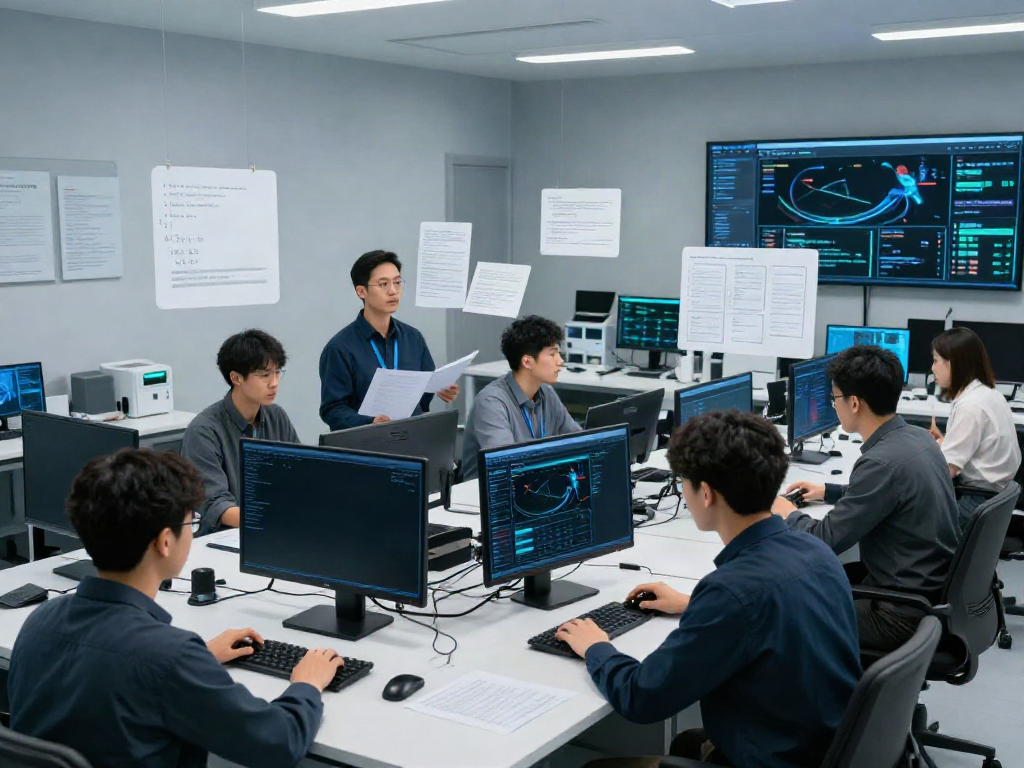
Understanding System Configuration Review
A system configuration review serves as a critical component within the cybersecurity framework of any organization. By systematically evaluating the configurations of systems, servers, and network devices, organizations can identify misconfigurations and vulnerabilities that may otherwise go unnoticed. This process is essential not only for enhancing security postures but also for ensuring compliance with industry standards. In this environment of rapidly evolving threats, the importance of maintaining secure and optimized configurations cannot be overstated. As such, engaging with professional services such as system configuration review can provide deep insights into the effectiveness of current security strategies.
Definition and Importance of Configuration Reviews
Configuration reviews involve a rigorous analysis of the settings and configurations of IT systems, applications, and devices to ensure they adhere to best practices for security and operational efficiency. The process encompasses examining system settings against trusted benchmarks such as CIS (Center for Internet Security) or vendor-specific guidelines. By conducting regular reviews, organizations can fortify their defenses against potential cyber threats that exploit configuration weaknesses.
How Configuration Reviews Enhance Security
A well-executed configuration review can significantly enhance an organization's security posture. It does so by:
- Identifying and mitigating misconfigurations before they can be exploited.
- Ensuring compliance with industry standards and regulatory requirements.
- Facilitating the alignment of security settings with organizational policies and best practices.
- Improving operational efficiency through the elimination of unnecessary permissions and settings.
Common Tools for System Configuration Review
Several tools and frameworks are available for performing thorough system configuration reviews. These tools help automate the process and provide comprehensive reporting. Popular tools include:
- OpenSCAP: A security compliance tool that allows users to scan their systems against security compliance standards.
- CIS-CAT: A configuration assessment tool based on the CIS Benchmarks that helps scan configurations and generate reports.
- Chef InSpec: A testing framework for infrastructure with a focus on compliance, security, and policy adherence.
Configuration Review vs Vulnerability Assessment
Key Differences Explained
While both configuration reviews and vulnerability assessments aim to enhance security, they are fundamentally distinct services. A configuration review examines the actual settings and configurations of systems, providing insights into whether they are set according to best practices and compliance standards. In contrast, a vulnerability assessment focuses on identifying known vulnerabilities and weaknesses through scanning techniques.
When to Choose Each Service
Organizations should choose configuration reviews when their primary objective is to validate how security controls are configured across their systems and networks. This is particularly important after significant operational changes or cloud migration. On the other hand, vulnerability assessments are better suited for detecting weaknesses across the environment through broad scanning techniques, especially when identifying immediate threats is critical.
Real-World Scenarios and Case Studies
Consider the case of a financial institution that underwent a significant digital transformation, migrating to a cloud environment. Despite implementing various security controls, the organization decided to conduct a configuration review as it suspected that the configurations did not align with established best practices. The review identified multiple misconfigurations in IAM roles and network settings, preventing potential data exposure and compliance violations.
Benefits of Conducting Regular Configuration Reviews
Identification of Misconfigurations
Regular configuration reviews serve as a proactive measure to identify and correct misconfigurations that could lead to security incidents. These misconfigurations can often arise from policy changes, human errors, or lack of oversight, making it critical for organizations to perform assessments routinely.
Alignment with Industry Best Practices
Aligning configurations with industry standards helps organizations adhere to compliance requirements while also mitigating security risks. Engaging in configuration reviews ensures continued alignment with established frameworks such as ISO 27001, PCI DSS, and NIST guidelines.
Reducing the Risk of Cyber Threats
Cyber threats evolve rapidly, and they often leverage known vulnerabilities in misconfigured systems. Regular configuration reviews examine security settings to minimize these risks, providing organizations with a clearer understanding of their security posture and areas needing improvement.
Choosing the Right Service for Your Organization
Overview of Available Configuration Review Services
When considering configuration review services, organizations can select from various specialized assessments:
- Host Configuration Review: Focuses on operating system and application settings against established benchmarks.
- Cloud Service Configuration Review: Evaluates security settings within cloud environments, addressing IAM, network, and storage configurations.
- Firewall Ruleset Review: Analyzes firewall rules to ensure they comply with the principle of least privilege and business requirements.
Factors to Consider Before Selection
Before selecting a configuration review service, organizations should assess their specific needs, such as:
- The complexity of their IT environment.
- The sensitivity of the data being protected.
- Regulatory obligations and compliance requirements.
- The potential impact of misconfigurations on business operations.
Our Recommendations for Different Business Sizes
For small and medium enterprises (SMEs), a host configuration review is often sufficient to ensure proper hardening of systems. However, larger organizations with complex infrastructures should consider a comprehensive suite of configuration review services, including cloud and firewall assessments to cater to their more extensive and diversified environments.
FAQs on System Configuration Review Services
What is a configuration review?
A configuration review is a systematic evaluation of the settings of IT systems and devices, ensuring they comply with established security best practices and organizational policies.
How often should I perform a configuration review?
The frequency of configuration reviews can vary based on industry requirements and organizational risk tolerance, but conducting reviews quarterly or biannually is generally advisable.
What are common vulnerabilities found during reviews?
Common vulnerabilities identified during configuration reviews can include over-permissive access controls, outdated software versions, weak password policies, and ineffective logging configurations.