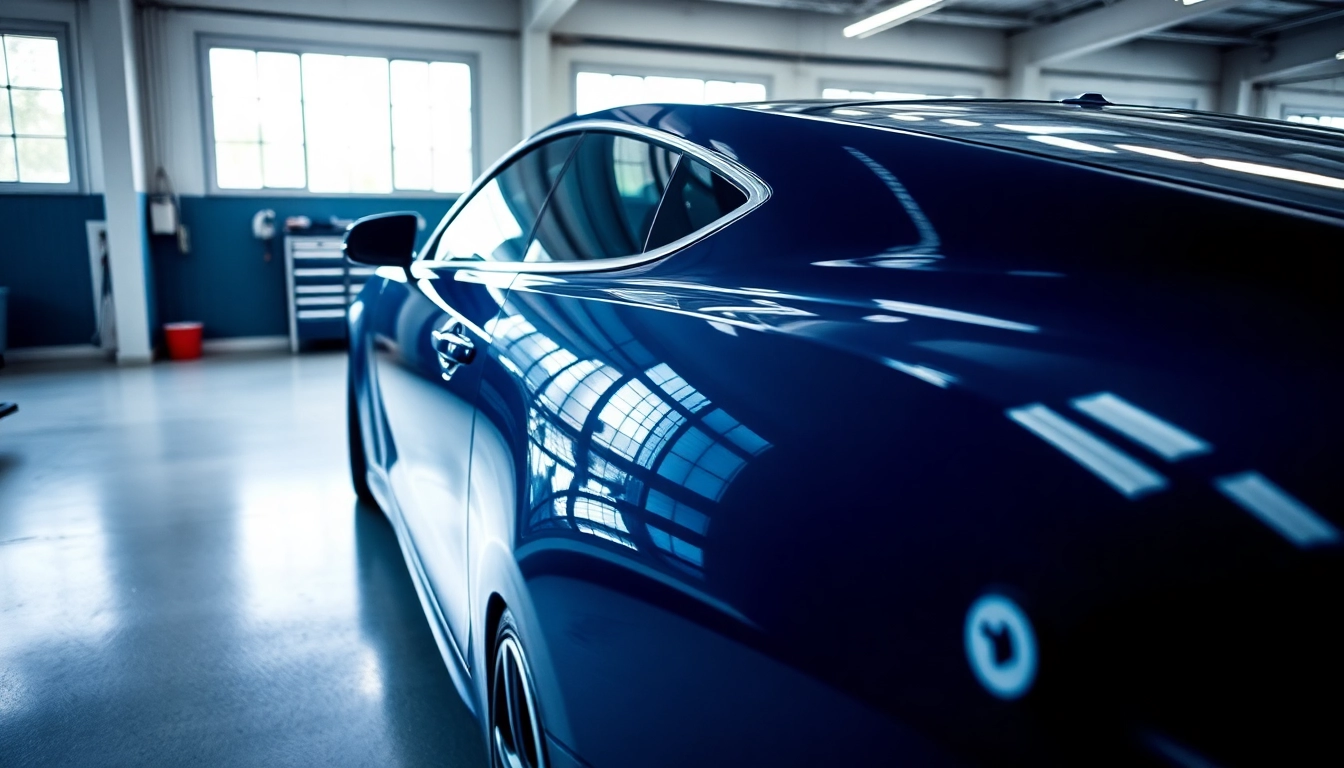
Understanding Paint Protection Film and Its Benefits
What is Paint Protection Film?
Paint Protection Film (PPF) is a transparent, thermoplastic urethane film that is applied to a vehicle's exterior surfaces to provide a protective barrier against various contaminants and physical damage. This film is designed to absorb and resist scratches, chips, and other forms of environmental wear, making it a popular choice among car enthusiasts and everyday drivers alike. The film is custom-cut to fit specific areas of the vehicle, ensuring a seamless application that does not detract from the vehicle's appearance.
Key Benefits of Using Paint Protection Film
- Scratch Resistance: One of the primary benefits of PPF is its ability to resist scratches from everyday use. Whether it's debris on the road or minor abrasions, PPF acts as a robust shield, maintaining the integrity of your vehicle's paint.
- Self-Healing Properties: Many modern PPFs come equipped with self-healing technology. Minor scratches can disappear with heat from the sun or the surface of the car, thus ensuring your vehicle maintains its flawless finish.
- UV Protection: The film provides a protective layer against harmful UV rays, which can cause paint to fade over time. This benefit helps keep your vehicle looking new for longer.
- Easy Maintenance: Cleaning a vehicle protected by PPF is generally easier because the film repels dirt and grime. This promotes a lasting shine with minimal effort.
- Enhanced Resale Value: Vehicles with paint protection film often retain a higher resale value due to their maintained exterior appearance, making PPF a wise investment for car owners.
How Paint Protection Film Enhances Vehicle Longevity
Investing in paint protection film can significantly contribute to the longevity of a vehicle’s exterior. The film acts as a barrier against elements such as salt, dirt, and pollutants that can cause long-term damage. By preserving the underlying paint, PPF not only improves the car's appearance but also extends the period before repainting or touch-ups are needed. Moreover, since PPF effectively shields against stone chips and other debris impacts, it ensures that the car maintains its structural integrity throughout its lifespan.
Choosing the Right Paint Protection Film Near Me
Factors to Consider When Selecting Film
When looking for paint protection film near me, several key factors should be considered:
- Thickness: PPF comes in different thickness levels, typically ranging from 6 to 12 mils. Thicker films provide more protection but can be more challenging to install.
- Clarity: Select a film that is virtually invisible after application. High-quality PPF offers excellent clarity to maintain the original look of your vehicle.
- Warranty: Check the warranty offered by the manufacturer. A solid warranty is indicative of the film's durability and the manufacturer's confidence in their product.
- Self-Healing Properties: As mentioned earlier, self-healing technology can be crucial in keeping your car looking pristine. This technology allows the PPF to recover from minor scratches naturally.
Comparing Different Brands and Types
Not all paint protection films are created equal. When researching your options, compare several brands based on performance, durability, and user reviews. Investigating how various films perform in real-world conditions can also offer insights into which product will work best for your needs. Often, reputable brands provide comprehensive installations, including pre-cut kits designed for specific car models.
Importance of Professional Installation
While DIY options may seem appealing, the skill and experience required for the effective application of paint protection film typically necessitate professional involvement. Incorrect installation can lead to air bubbles, visible seams, and poor adhesion over time. Engaging a professional not only ensures a high-quality finish but also maximizes the film's protective capabilities.
Application Process of Paint Protection Film
Preparation and Cleaning of the Surface
Before applying PPF, the vehicle's surface must be meticulously prepared. This involves a thorough wash to eliminate dirt and grime, followed by decontaminating the paint with special clay bars. Any scratches or flaws should be polished out to ensure the film adheres correctly. Additionally, the application area should be cleaned with isopropyl alcohol to remove any leftover oils or residues.
Steps Involved in Application
Once the surface is prepared, the actual application of the paint protection film typically follows these steps:
- Measuring and Cutting: Professionals measure the vehicle's panels and cut the PPF to size, often using pre-made templates for accuracy.
- Positioning the Film: The film is positioned on the vehicle and aligned correctly before it is adhered properly to the surface.
- Application: The applicator uses a squeegee to ensure proper adhesion and eliminate air bubbles, ensuring a smooth finish. Heat may be applied to help conform the film to curves and edges.
- Final Inspection: Once applied, the installer inspects the film for bubbles, creases, or imperfections and rectifies any issues accordingly.
Post-Application Care and Maintenance
After installation, specific care measures should be adhered to in order to prolong the lifespan of the PPF:
- Avoid washing the vehicle for at least a week after installation to allow the film to cure.
- Use gentle cleaners free of wax or petroleum-based chemicals, as these can degrade the film over time.
- Regularly inspect the film for any signs of damage or wear that may require repair.
Common Misconceptions About Paint Protection Film
Debunking Myths Regarding Pricing
A common misconception surrounding paint protection film is that it is prohibitively expensive. While the initial cost can be higher than traditional waxing or sealants, the long-term benefits and savings through reduced repainting and maintenance efforts often outweigh the upfront expenditure. Additionally, considering the film's longevity can make it a cost-effective choice in the long run.
Longevity and Durability of the Film
Another myth is that paint protection films wear out quickly. High-quality PPFs are designed to last several years, with warranties often ranging from five to ten years. Factors such as environmental conditions, maintenance, and the quality of installation can influence longevity but well-maintained PPF typically offers robust protection throughout its intended lifespan.
Effects on Vehicle Resale Value
Some believe that adding PPF can detract from a vehicle's resale value. In reality, paint protection film is known to enhance resale value by keeping the paint in pristine condition, which is attractive to potential buyers. A well-maintained vehicle often commands a higher price on the secondary market.
FAQs Regarding Paint Protection Film Near Me
What is the average cost of paint protection film?
The cost of paint protection film varies depending on the vehicle size and film quality but generally ranges from $500 to $2,500 for a complete application.
How long does paint protection film last?
With proper maintenance, paint protection film can last anywhere from 5 to 10 years, depending on the quality of the film and environmental conditions.
Can I apply paint protection film myself?
While DIY kits are available, professional installation is recommended for the best results. Proper application requires skill and expertise to avoid issues.
Does paint protection film affect the car's appearance?
When applied correctly, paint protection film is virtually invisible and enhances the vehicle's glossy appearance, allowing the original paint color to shine through.
How do I maintain my paint protection film?
To maintain PPF, avoid harsh chemicals, wash the vehicle with gentle products, and regularly inspect for damage. Follow manufacturer guidelines for best results.