Introduction to Cape Cod Homes
Cape Cod homes embody a timeless charm that reflects the essence of coastal New England architecture. With their inviting structural features and practical layouts, these homes have become synonymous with comfort and elegance in seaside living. Their unique designs are rooted in history, evolving over centuries to meet the needs of their inhabitants while harmonizing beautifully with their surroundings. Understanding the significance of cape cod homes requires a look into their past as well as their defining characteristics that continue to captivate homeowners today.
History and Evolution of Cape Cod Homes
The origin of Cape Cod homes traces back to the early 1600s, designed by English settlers who sought to create sturdy, functional homes suitable for the coastal climate. Early designs featured steep roofs to prevent snow accumulation and simple, symmetrical forms to withstand the harsh weather conditions of the area. As time progressed, these structures underwent modifications, incorporating elements of colonial architecture and later, modern conveniences without losing their foundational characteristics. Today, Cape Cod homes may include expanded layouts, updated interiors, and eco-friendly features while still adhering to the traditional look and feel of the original designs.
Key Features of Cape Cod Homes
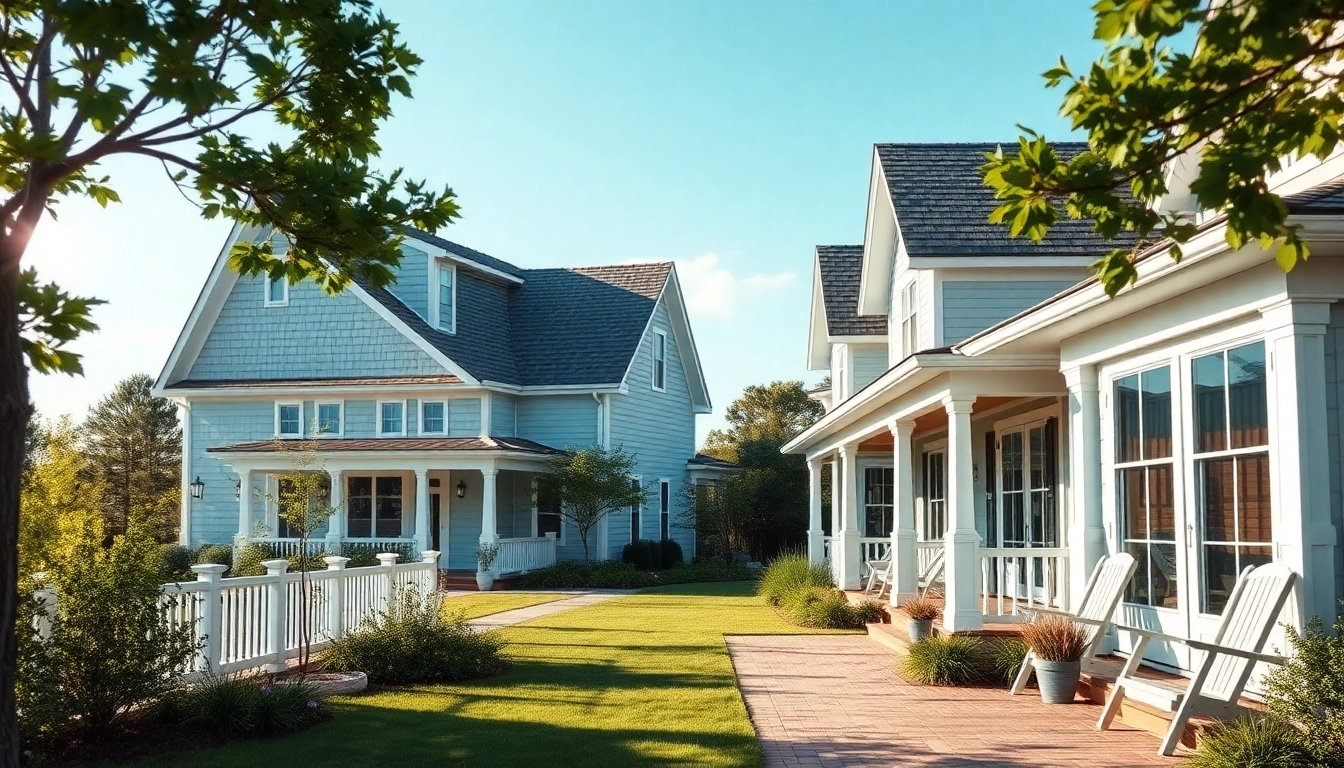
One of the most recognizable features of Cape Cod homes is their steeply pitched roofs, often adorned with dormer windows. This aspect not only adds aesthetic value but also functionality by allowing for lofted spaces and increased light. Clapboard siding painted in muted, coastal colors enhances the home’s defense against the elements while providing a classic coastal look. The interiors of these homes often feature an open layout, promoting a sense of spaciousness, while built-in furnishings and multiple fireplaces ensure comfort. Furthermore, large front porches invite outdoor living, blending the interior and exterior environments.
Importance of Location in Cape Cod Homes
Location is paramount when it comes to Cape Cod homes, as these properties are typically situated near the coast to take full advantage of sea views and fresh ocean breezes. Proximity to local amenities, schools, and recreational areas also plays a critical role in choosing a suitable site. Home designs must consider factors such as elevation, erosion risks, and environmental regulations to optimize safety and sustainability. The connection to nature is a driving force behind the design and placement of these homes, ensuring that inhabitants can fully enjoy the coastal lifestyle that Cape Cod is known for.
Design Elements of Cape Cod Homes
Exterior Design and Materials
The exterior of Cape Cod homes is characterized by simplicity and functionality. Common materials include wood shingles, clapboard siding, and stone, chosen for their durability against coastal conditions. The use of natural, muted colors reflects the surrounding landscape, allowing homes to blend seamlessly into their environment. Roofs are often constructed from asphalt shingles or metal, which can withstand harsh weather while providing an aesthetic appeal. Windows are typically double-hung and multi-paned, enhancing light entry and traditional styling. By combining form with function, the exterior design encourages long-lasting, energy-efficient living.
Interior Layout and Functionality
Inside, Cape Cod homes promote a cozy, inviting atmosphere with open floor plans that facilitate social interaction and family gatherings. Living areas often blend into dining and kitchen spaces, featuring high ceilings and abundant natural light from strategically placed windows. This layout not only fosters togetherness but also enhances ventilation. Many homes incorporate built-in shelves or benches, merging functionality with design, while fireplaces serve as a focal point in the living room. The overall aim is to create spaces that are both practical and beautiful, allowing families to thrive in comfort.
Color Schemes and Textures in Cape Cod Homes
Color schemes play a vital role in defining the charm of Cape Cod homes. Soft blues, greens, and neutral tones evoke tranquility reminiscent of the ocean and coastal flora. These colors are often complemented by white trim and darker roofing for a polished contrast. Textures are also important—weathered wood, smooth stones, and painted finishes provide visual interest while conveying a sense of history and warmth. Thus, the choice of colors and textures not only enhances curb appeal but also creates an inviting atmosphere that welcomes both residents and guests alike.
Enhancing Outdoor Spaces in Cape Cod Homes
Landscaping Ideas for Coastal Settings
Landscaping around Cape Cod homes should harmonize with the natural environment, incorporating native plants that thrive in coastal conditions. Plants such as beach grass, lavender, and hydrangeas not only endure harsh winds but also contribute to the aesthetic charm. Pathways made from natural stones or mulch connect outdoor features while ensuring easy navigation. Incorporating raised garden beds or coastal dunes helps to prevent erosion while creating a beautiful outdoor oasis. Ultimately, thoughtful landscaping serves to enhance the home's connection to its surroundings while providing functional outdoor spaces.
Decks and Patios Design Concepts
Decks and patios are essential components of outdoor living in Cape Cod homes, serving both functionality and leisure. Constructing a wooden deck made from weather-resistant materials offers an ideal space for entertaining and enjoying views of the surrounding landscape. Incorporating built-in seating or fire pits can significantly enhance usability and ambiance. Patios made of stone or pavers can be adorned with outdoor furniture, lighting, and planters, offering a serene spot for relaxation. By seamlessly extending living spaces outdoors, these design concepts facilitate a harmonious coastal lifestyle.
Swimming Pools and Outdoor Activities
Integrating a swimming pool into the outdoor design of a Cape Cod home can elevate both leisure and aesthetic appeal. When planning a pool, consider factors such as sun exposure and privacy, ensuring the design complements the overall architecture. Surrounding the pool with decking, furnishings, and landscaping transforms it into an inviting retreat. Additionally, outdoor activities such as boating, fishing, and beach accessibility can enhance the lifestyle experience, underscoring the importance of location when selecting features that promote active living.
Sustainable Practices for Cape Cod Homes
Energy-Efficient Building Techniques
Building Cape Cod homes sustainably involves integrating energy-efficient techniques to minimize environmental impact. Methods such as passive solar design, where homes are oriented to take optimal advantage of natural sunlight, can significantly reduce reliance on artificial heating and lighting. High-quality insulation and installation of energy-efficient windows minimize heat loss, enhancing comfort while lowering energy consumption. By focusing on sustainable building practices, homeowners can enjoy a beautiful living space while ensuring the preservation of the coastal environment.
Eco-friendly Materials for Construction
Utilizing eco-friendly materials in the construction of Cape Cod homes plays a crucial role in sustainability. Sustainable wood products from responsibly managed forests, recycled materials, and low-VOC (volatile organic compounds) paints and finishes contribute to healthier living conditions. For roofing and siding, using materials like metal or fiber cement can enhance durability and recycling potential. By prioritizing green building materials, homeowners not only support environmental preservation but also enjoy long-lasting, low-maintenance homes.
Water Conservation Strategies
Water conservation is essential for sustainable living, especially in coastal areas vulnerable to changing climates. Implementing rainwater harvesting systems can provide an alternative source for irrigation and non-potable uses. Additionally, incorporating drought-resistant landscaping minimizes water usage while maintaining natural beauty. High-efficiency fixtures and appliances further conserve water without sacrificing performance. By adopting smart water management strategies, Cape Cod homeowners can protect precious resources and contribute to the resilience of their local ecosystems.
Frequently Asked Questions about Cape Cod Homes
What are the defining features of cape cod homes?
The defining features include steep roofs, dormer windows, and symmetrical design with wood siding, creating a cozy yet functional living space that suits coastal living.
How do I choose the right location for my cape cod home?
Consider factors such as proximity to the coast, local infrastructure, community amenities, and potential environmental risks. A good site enhances the overall living experience.
What maintenance is required for cape cod homes?
Regular maintenance includes roof inspections, painting or staining siding, cleaning gutters, and seasonal landscaping. Proper care extends the lifespan and maintains value.
Can cape cod homes be built sustainably?
Yes, cape cod homes can integrate sustainable practices like energy-efficient designs, eco-friendly materials, and water conservation strategies, supporting environmental sustainability.
What architectural styles complement cape cod homes?
Architectural styles such as Shingle, Colonial, and Craftsman can complement cape cod homes. These styles share characteristics that create visual harmony in coastal environments.