
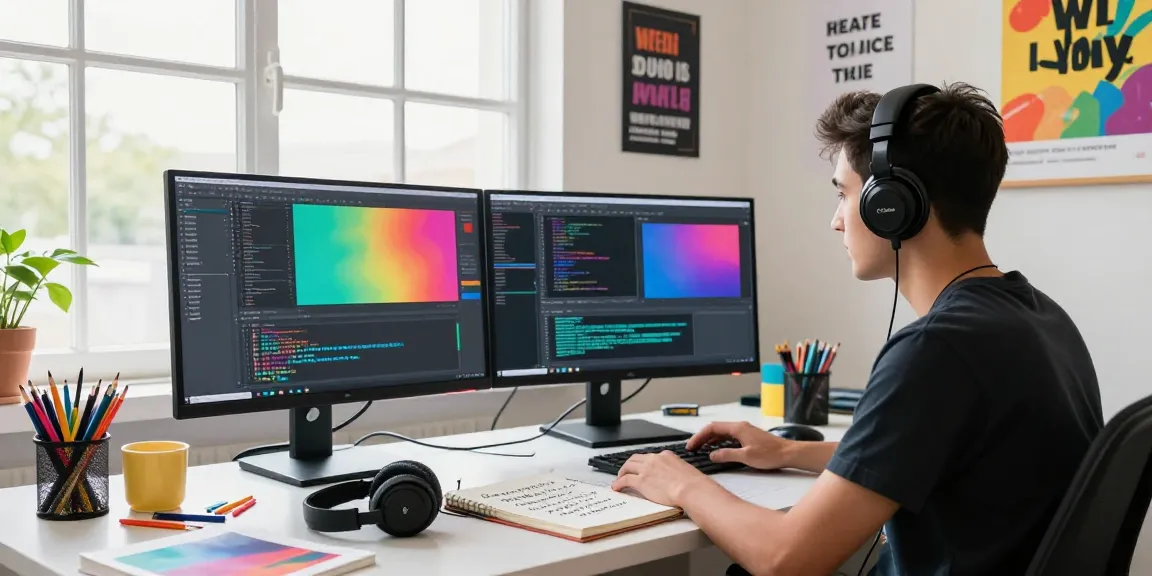
Introduction to dejny.eu and Its Vision
In the rapidly evolving landscape of digital creativity, establishing an online presence is more crucial than ever for aspiring artists and developers. dejny.eu serves as a unique platform that reflects the visions and multifaceted abilities of its creator, a high school student currently enriching their creative journey in Czechia. This article delves into the concepts that drive dejny.eu, showcasing its commitment to blending technology and art, while offering aspiring creators insights into building their own portfolios effectively.
What Is dejny.eu?
Dejny.eu is not just a portfolio; it embodies a philosophy that intertwines creativity with digital innovation. Tailored to resonate with a diverse audience, this platform highlights the artistic journey of its creator, whose work spans various media—from digital design to poetic expression. The essence of dejny.eu lies in its ability to communicate a vision that transcends traditional boundaries, making it a gateway for potential collaborations and projects.
Understanding the Creative Process
The creative process is an intricate dance between inspiration and execution. At dejny.eu, this process starts with a deep understanding of the surrounding world—nature, music, and personal experiences. Each project begins as a concept, gradually evolving through sketches, digital drafts, and collaborative inputs. This iterative approach not only refines the final product but ensures that it resonates with the intended audience. Insights from personal struggles and triumphs in the realm of creativity serve as fuel for this process, highlighting the importance of authentic storytelling in art.
Goals for 2026 and Beyond
Looking toward the future, dejny.eu aims to expand its reach and influence by fostering a community of creative thinkers. The goals for 2026 include launching more collaborative projects, hosting interactive workshops, and establishing a mentorship program for up-and-coming artists. These initiatives are designed to ignite creativity and encourage a nurturing environment where aspiring artists can grow and thrive. With a vision that embraces both technology and artistry, dejny.eu is set to become a beacon for creative innovation.
Showcasing Your Skills: The Portfolio Breakdown
Creating an impactful portfolio is essential for any digital artist or developer. At dejny.eu, the portfolio is structured to highlight not just the final outcomes but the thought processes that led to them. An organized and well-presented portfolio can make a lasting impression on potential clients and collaborators.
Essential Portfolio Elements
When curating your portfolio, consider including the following elements:
- Project Descriptions: Provide context for each piece, explaining your role, the challenges faced, and how you overcame them.
- Visual Variety: Showcase a range of styles and techniques to illustrate versatility and adaptability.
- Process Documentation: Include sketches, wireframes, or drafts to give viewers insight into your creative process.
- Client Testimonials: Positive feedback from collaborators can enhance credibility and attract new opportunities.
Tips for Displaying Artistic Work Effectively
To effectively showcase your work, consider the following tips:
- Consistent Branding: Maintain a cohesive visual identity across your portfolio to reinforce personal branding.
- High-Quality Images: Always use high-resolution images to ensure your work is presented in the best light.
- User-Friendly Navigation: Ensure that your portfolio is easy to navigate to retain visitor interest.
- Regular Updates: Keep your portfolio current by frequently adding new projects and removing outdated ones.
Common Mistakes to Avoid in Your Portfolio
Avoid these pitfalls that can detract from your portfolio’s effectiveness:
- Overloading with Projects: Limit your selections to your best work; quality over quantity is key.
- Lack of Context: Failing to explain the story behind each piece can leave viewers puzzled.
- Inconsistent Presentation: Ensure uniformity in layout and design to create a polished look.
- Ignoring Mobile Usability: With many users accessing portfolios on mobile devices, ensure your site is mobile-responsive.
Developing Your Unique Digital Style
In a world saturated with content, developing a distinctive digital style is essential for standing out. At dejny.eu, the creator emphasizes blending personal passions with technical skills to create unique artistic expressions.
Finding Inspiration in Daily Life
Inspiration can be drawn from countless sources—nature, architecture, and everyday experiences. Keeping a sketchbook or journal can help capture fleeting ideas that spring to mind throughout the day. Engaging with different art forms can also stimulate creativity; visiting galleries, attending performances, or simply observing people can foster new ideas and perspectives.
Integrating Personal Passion into Your Art
Infusing personal interests and emotions into your work can create a deeper connection with your audience. At dejny.eu, the creator shares works that reflect personal challenges and triumphs, making their art relatable. Don’t shy away from incorporating your story into your pieces, as it can resonate strongly with viewers and potential clients.
Balancing Trends with Authentic Expression
While staying current with trends can be beneficial, it’s critical to maintain an authentic voice in your work. Embrace trends that align with your style and aim to innovate rather than imitate. This approach not only sets you apart but also attracts a following that appreciates your unique perspective.
The Importance of Collaboration in the Creative Field
Collaboration can significantly enhance the creative process, offering fresh ideas and insights. At dejny.eu, the creator actively seeks opportunities for collaboration, believing that diverse perspectives can elevate the final product.
How to Seek and Evaluate Collaboration Opportunities
Finding the right collaborators involves identifying individuals whose skills complement yours. Attend industry events, engage on social media platforms, and network within creative communities. Once potential partners are identified, assess their portfolio and previous work to ensure alignment of vision and style.
Communicating Effectively with Partners
Clear communication is crucial for any successful collaboration. Establish roles and expectations upfront, and maintain an open dialogue throughout the project. Regular check-ins can help address any concerns early on and keep the project on track.
Case Studies of Successful Collaborations
Analyzing successful collaborations can provide valuable insights. For instance, a graphic designer collaborating with a musician might create stunning visuals for album covers, while a web developer could partner with an artist to design a unique digital gallery. Such examples illustrate the magic that can happen when diverse talents unite.
Looking Ahead: Future Trends in Digital Art and Technology
The digital art landscape is continuously evolving, with new technologies paving the way for innovative artistic expressions. To remain relevant, artists must be adaptable and forward-thinking.
Predictions for 2026: Where Is the Industry Headed?
By 2026, we can expect to see a surge in AI-generated art, as well as advancements in virtual and augmented reality that can transform how art is experienced. Interactive installations and immersive experiences will likely become the norm, pushing the boundaries of traditional art forms.
Adapting to Emerging Technologies
Staying updated with the latest technologies is vital for any artist. Familiarize yourself with tools such as VR software, artificial intelligence platforms, and blockchain technology for NFTs. These tools can not only enhance your creative process but also open new avenues for engagement and monetization.
Staying Relevant in a Rapidly Changing Environment
To remain relevant, artists must commit to continuous learning and adaptability. Participate in workshops, online courses, and communities where you can share experiences and techniques. Engaging with fellow creators can also provide a support network that fosters growth and innovation.
What Makes a Great Digital Artist? FAQs
How Can I Start My Creative Journey?
Begin by exploring different mediums and styles until you find what resonates with you. Build a routine that encourages creative exploration, and never hesitate to seek feedback from others.
What Tools Should I Invest In?
Invest in high-quality software and hardware that suit your artistic style. Whether it’s a graphics tablet for digital painting or a robust laptop for 3D modeling, the right tools can enhance your creative capabilities.
How Do I Promote My Work Effectively?
Leverage social media platforms to showcase your work and engage with your audience. Consider starting a blog to share insights into your creative process, which can attract potential clients and collaborators.
Can I Transition from Traditional to Digital Art?
Absolutely! Many artists find that their traditional skills enhance their digital work. Experiment with digital tools while maintaining your core artistic principles, and don’t rush the learning process.
What Should I Include in My Artist Statement?
Your artist statement should convey your creative vision, influences, and the themes you explore in your work. It’s an opportunity to connect with your audience on a deeper level, so make it personal and authentic.