
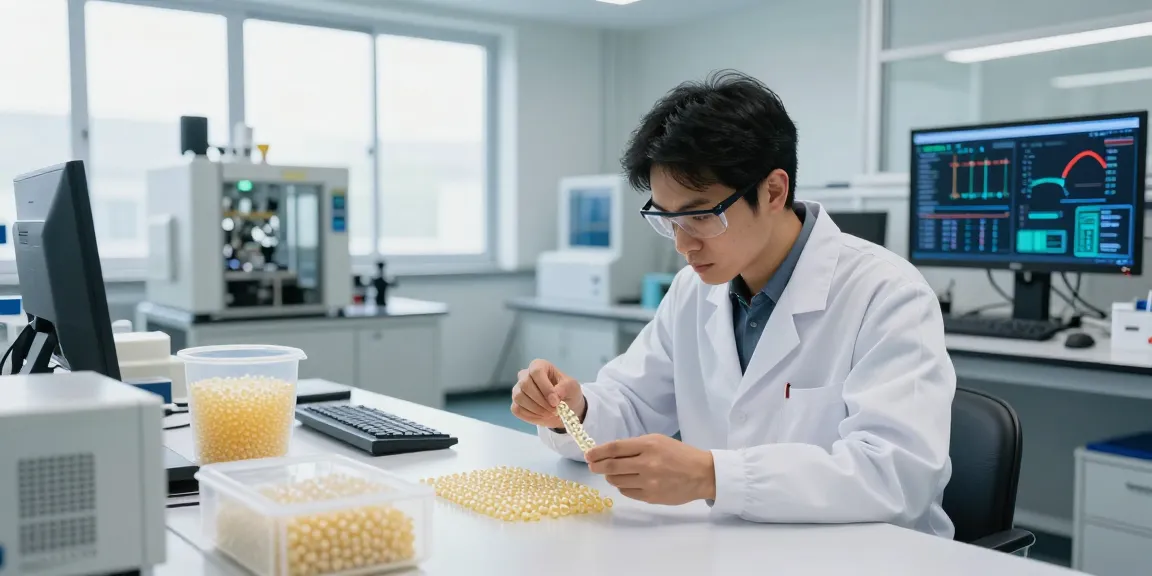
Understanding Polymer Expandable Microspheres
Polymer expandable microspheres are gaining significant attention in various industries due to their unique properties and versatile applications. These tiny spheres, which typically consist of a thermoplastic shell encapsulating a low-boiling liquid or gas, expand upon heating, providing excellent lightweighting and performance benefits. When exploring options, polymer expandable microspheres offer comprehensive insights that can streamline production processes and enhance product quality.
What are Polymer Expandable Microspheres?
At their core, polymer expandable microspheres are hollow polymer particles that can expand when subjected to heat. The structure consists of a rigid polymer shell that traps a volatile agent, which can be a gas or a low-boiling liquid. Upon heating, the internal agent vaporizes, causing the microsphere to expand significantly—often by as much as 50 times its original volume. This unique characteristic makes them valuable in a range of applications, particularly in creating lightweight materials without compromising strength.
Key Properties and Benefits
- Lightweight: The ability to significantly reduce weight makes these microspheres ideal for automotive and aerospace applications where every gram matters.
- Thermal Insulation: They provide excellent thermal insulation properties, enhancing energy efficiency in products.
- Sound Absorption: The hollow structure effectively absorbs sound, contributing to noise reduction in various applications.
- Versatility: Polymer expandable microspheres can be used in applications ranging from coatings and adhesives to plastics and composites.
- Cost-Effectiveness: By reducing material usage while maintaining product integrity, they can help lower overall production costs.
Applications Across Industries
The versatility of polymer expandable microspheres allows their application across a multitude of industries:
- Aerospace: Used in lightweight composite materials to improve fuel efficiency.
- Automotive: Integrated into bumpers and panels to lower vehicle weight and enhance safety.
- Construction: Employed in insulating materials, contributing to energy efficiency.
- Packaging: Utilized in producing lightweight and protective packaging solutions.
- Household Products: Found in items like furniture and toys, improving durability while keeping costs down.
Production Processes and Techniques
Manufacturing Methods for High-Quality Microspheres
The manufacturing of polymer expandable microspheres involves several sophisticated techniques. The most common methods include:
- Suspension Polymerization: A prevalent method where the polymer is formed in a liquid phase, allowing for better control over particle size.
- Emulsion Polymerization: This technique provides smaller and uniform microspheres, which can enhance performance in various applications.
- Batch Processes: Commonly used for economic scalability, allowing manufacturers to produce large quantities of microspheres effectively.
Common Challenges in Production
Despite advances in technology, several challenges persist in the production of polymer expandable microspheres:
- Quality Control: Ensuring consistent quality across batches can be difficult, as fluctuations in temperature during the expansion process can affect microsphere size and integrity.
- Material Sourcing: Acquiring high-quality raw materials is essential, yet can be complicated by market fluctuations.
- Environmental Regulations: Compliance with environmental standards during production can restrict certain materials and processes.
Quality Control and Assurance Measures
Quality assurance in the production of polymer expandable microspheres is crucial to ensure that the final products meet the required performance standards. Key measures include:
- Regular Testing: Continuous monitoring and testing of microspheres for size, density, and expansion ratio.
- Supplier Audits: Conducting thorough audits of suppliers to ensure they adhere to quality standards.
- Certification: Obtaining necessary certifications (e.g., ISO standards) to validate production processes and products.
Cost-Effective Procurement Strategies
How to Choose Suppliers Wisely
Selecting the right suppliers for polymer expandable microspheres is critical for maintaining quality and cost-effectiveness. When choosing suppliers, consider the following:
- Reputation: Look for suppliers with a proven track record in delivering high-quality microspheres.
- Certifications: Verify that suppliers hold relevant quality certifications.
- Supply Chain Reliability: Ensure they can consistently meet your production needs without delays.
Negotiating Best Prices for Industrial Use
Effective negotiation tactics can help you secure polymer expandable microspheres at competitive prices:
- Volume Discounts: Leverage bulk purchases to negotiate better pricing.
- Long-Term Contracts: Consider establishing long-term partnerships with suppliers for stable pricing.
- Market Research: Stay informed about market trends to negotiate effectively when prices fluctuate.
Utilizing Online Platforms for Efficient Buying
Online platforms can significantly simplify the procurement process for manufacturers looking for polymer expandable microspheres:
- Transparency: Access to transparent pricing models ensures no hidden costs.
- Documentation: Comprehensive documentation support assists in compliance and quality assurance.
- Ease of Use: User-friendly interfaces allow for seamless transactions and order tracking.
Maximizing the Benefits of Polymer Expandable Microspheres
Best Practices for Application in Manufacturing
To fully leverage the advantages of polymer expandable microspheres, manufacturers should adhere to best practices:
- Material Compatibility: Ensure that the microspheres are compatible with other materials used in production.
- Proper Mixing Techniques: Use appropriate mixing processes to ensure uniform distribution in the final product.
- Testing: Conduct initial testing on small batches before large-scale production.
Innovative Uses in Emerging Technologies
Recent advancements have unveiled innovative applications for polymer expandable microspheres in emerging sectors:
- 3D Printing: Utilized as lightweight fillers in 3D printed structures to enhance performance.
- Medical Devices: Explored in applications requiring precise weight control and thermal properties.
- Smart Materials: Incorporated into responsive materials for home automation and construction technologies.
Case Studies of Successful Implementations
Real-world applications can highlight the utility of polymer expandable microspheres:
- Automotive Sector: A company integrated these microspheres into vehicle panels to reduce weight, resulting in a 10% increase in fuel efficiency.
- Consumer Goods: A manufacturer utilized microspheres in a new line of insulating packaging, improving thermal retention by 25%.
Future Trends in Polymer Expandable Microspheres
Market Predictions for 2026 and Beyond
As industries evolve, several trends are anticipated to shape the future of polymer expandable microspheres:
- Increased Demand: As industries push for lightweight and energy-efficient products, the demand for these microspheres is expected to rise.
- Technological Advancements: Innovations in production technologies will likely lead to improved performance metrics of microspheres.
- Diverse Applications: The exploration of new markets will drive the development of specialized microspheres tailored for specific applications.
Impact of Sustainability on Material Choices
Sustainability will play a pivotal role in the materials landscape, influencing the selection and utilization of polymer expandable microspheres:
- Eco-Friendly Materials: Manufacturers may increasingly opt for bio-based polymers that can enhance sustainability profiles.
- Recyclability: The focus will likely expand toward utilizing microspheres that can be recycled, contributing to circular economy practices.
Emerging Research and Development Directions
Future research is expected to focus on enhancing the properties of polymer expandable microspheres and their applications:
- New Formulations: Development of new formulations that can expand and contract based on varying temperature conditions.
- Nanotechnology Integration: The incorporation of nanomaterials to improve strength and thermal resistance.
What are the health and safety considerations for polymer expandable microspheres?
Incorporating polymer expandable microspheres involves understanding health and safety implications:
- Non-Toxicity: Ensure materials are sourced from non-toxic, safe polymers, especially in consumer products.
- Proper Handling: Follow safety protocols during handling and processing to minimize exposure risks.
How do polymer expandable microspheres compare to traditional materials?
Compared to traditional materials, polymer expandable microspheres offer significant advantages:
- Weight Reduction: They provide a lightweight alternative without sacrificing structural integrity.
- Cost Efficiency: Often more economical, especially in high-volume applications.
What industries benefit most from using polymer expandable microspheres?
Industries that particularly benefit from polymer expandable microspheres include:
- Aerospace and Automotive: For lightweight structural applications.
- Construction: In thermal insulation materials.
- Textiles: As fillers and for enhancing properties.
How to integrate polymer expandable microspheres into current production processes?
Integration involves several key steps:
- Compatibility Testing: Assess the chemical and physical compatibility with existing materials.
- Process Adjustments: Modify existing processes to accommodate the new materials without disrupting production.
What innovations are shaping the future of polymer expandable microspheres?
Ongoing innovations are set to reshape the future landscape:
- Smart Materials: Development of microspheres that react to environmental stimuli.
- Enhanced Properties: Research into improving the thermal and mechanical properties to meet evolving market demands.