Understanding Facilities Maintenance
Facilities maintenance is a crucial component of any organization, ensuring that the infrastructure and environments where business operations occur are safe, functional, and appealing. In 2026, as organizations prioritize efficiency and sustainability, understanding the intricacies of facilities maintenance becomes even more critical. From maintaining capital assets to managing the aesthetics of a facility, effective maintenance strategies can make a significant difference in operational performance. For comprehensive insights into Facilities maintenance, it’s essential to delve into various practices, technologies, and future trends shaping this field.
What is Facilities Maintenance?
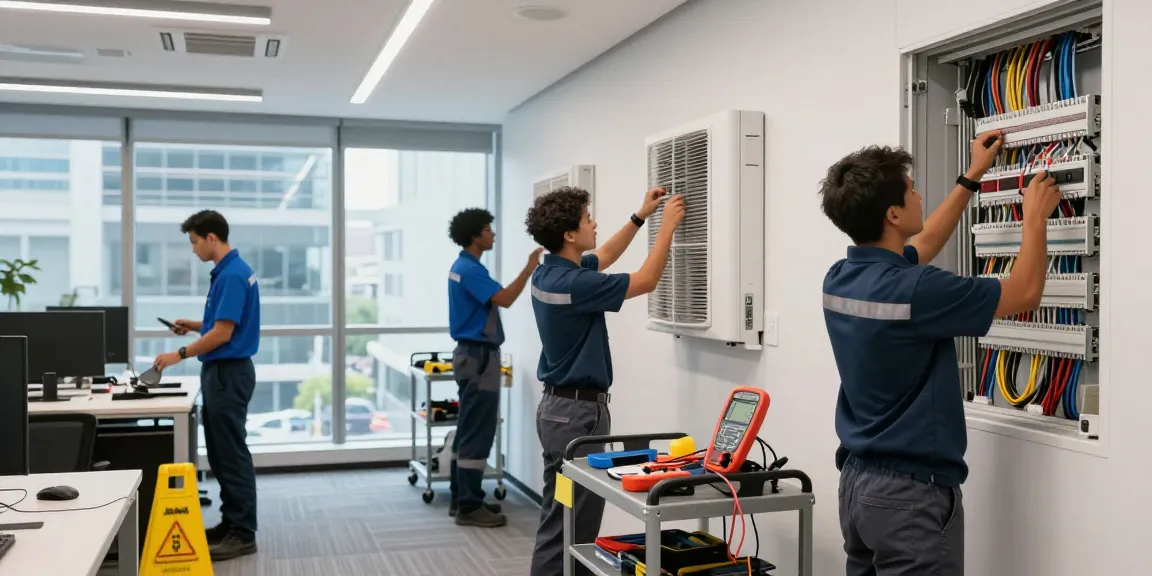
Facilities maintenance refers to the ongoing management, repair, and upkeep of physical assets within a building. This includes everything from routine inspections of HVAC systems to the repair of plumbing issues, electrical systems, and landscaping. The goal is to ensure that the facilities operate efficiently, are safe for occupants, and contribute positively to the organization’s image. In the context of commercial properties, facilities maintenance encompasses several key responsibilities:
- Routine upkeep and inspections of facilities
- Management of maintenance requests and work orders
- Coordination of repairs and upgrades as required
- Ensuring compliance with safety regulations
The Importance of Facilities Maintenance in 2026
As we progress into 2026, the importance of facilities maintenance has only increased. Companies are realizing that effective maintenance can significantly impact their bottom line. Here are some reasons why facilities maintenance is crucial:
- Cost Efficiency: Regular maintenance helps identify issues before they become major problems. This proactive approach can save companies substantial costs associated with repairs and downtime.
- Safety Compliance: Adhering to safety regulations is vital. Facilities maintenance ensures that buildings meet health and safety standards, protecting both employees and visitors.
- Enhanced Productivity: A well-maintained facility creates a conducive environment for employees, leading to improved morale and productivity.
- Property Value: Regular maintenance helps retain the value of physical assets, making them more appealing for future investments or sale.
Common Misconceptions About Facilities Maintenance
Despite its importance, several misconceptions surround facilities maintenance. Addressing these myths can help organizations implement more effective strategies:
- Maintenance is an Unnecessary Expense: Many view maintenance as a cost rather than an investment. In reality, regular maintenance can prevent larger, more expensive issues, thus saving money in the long run.
- Only Large Facilities Need Maintenance: All facilities, regardless of size, require maintenance. Neglecting smaller buildings can lead to significant problems over time.
- Reactive Maintenance is Sufficient: While reactive maintenance addresses issues as they arise, this approach can be costly and inefficient. Preventive maintenance strategies are crucial for optimal performance.
Key Facilities Maintenance Practices
Routine Maintenance: What You Need to Know
Routine maintenance is the backbone of effective facilities maintenance. It involves regular checks and services of equipment and systems to ensure they function optimally. Some essential aspects of routine maintenance include:
- Scheduled Inspections: Regular inspections of HVAC, electrical systems, and plumbing can identify potential issues early on.
- Cleaning and Upkeep: Maintaining cleanliness in facilities not only enhances aesthetics but also contributes to health and safety.
- Communication: Keeping open lines of communication with staff about maintenance issues can ensure swift action and resolutions.
Preventive vs. Reactive Maintenance Strategies
Understanding the differences between preventive and reactive maintenance strategies is essential for facilities managers. Preventive maintenance involves proactive measures that extend the life of equipment and reduce the likelihood of failure, while reactive maintenance is initiated after a problem occurs.
- Preventive Maintenance: Regularly scheduled tasks such as oil changes for machinery or routine inspections are examples of preventive maintenance.
- Reactive Maintenance: This approach focuses on fixing issues as they arise, often leading to higher repair costs and operational disruptions.
Importance of Documentation in Facilities Maintenance
Proper documentation plays a critical role in facilities maintenance. Keeping records of maintenance activities, inspections, and repairs ensures that managers have a comprehensive view of the facility’s condition. Key documentation practices include:
- Maintenance Logs: Detailed logs help track service history and identify patterns or recurring issues.
- Compliance Records: Maintaining documentation related to safety and compliance is crucial for audit purposes.
- Work Orders: Efficiently managing work orders helps prioritize tasks and allocate resources effectively.
Tools and Technologies in Facilities Maintenance
Must-Have Tools for Facilities Technicians
Facilities maintenance technicians use various tools to perform their duties effectively. Essential tools include:
- Multimeters: For electrical diagnostics and repairs.
- Thermal Imaging Cameras: To identify heat loss and electrical issues.
- Hand Tools: Basic tools like wrenches, screwdrivers, and pliers are necessary for general repairs.
Emerging Technologies Shaping Facilities Maintenance
Technological advancements are redefining how facilities maintenance is managed. Key technologies include:
- IoT Devices: Internet of Things sensors can monitor equipment conditions in real-time, predicting failures before they occur.
- Drones: Drones can inspect hard-to-reach areas of buildings, providing valuable data for maintenance teams.
- Augmented Reality: AR tools can assist technicians by providing real-time information layers during repairs.
Software Solutions for Efficient Maintenance Management
Modern facilities management relies heavily on software solutions to streamline operations. Some popular facility management software tools include:
- CMMS (Computerized Maintenance Management Systems): Help in tracking maintenance schedules, managing work orders, and analyzing performance data.
- Asset Management Software: Facilitates tracking and managing facility assets throughout their lifecycle.
- Help Desk Software: Enables staff to submit maintenance requests and track their resolution status.
Challenges in Facilities Maintenance
Common Challenges Faced by Facilities Managers
Facilities managers often encounter several challenges that can hinder maintenance efforts:
- Budget Constraints: Limited budgets can restrict the extent of maintenance activities, leading to deferred maintenance.
- Complex Regulations: Keeping up with evolving safety and environmental regulations can be daunting.
- Staffing Issues: Skilled labor shortages can impact the quality and timeliness of maintenance work.
How to Overcome Budget Constraints in Maintenance
Addressing budget constraints requires strategic planning and resource management. Some strategies include:
- Prioritize Maintenance Activities: Focus on critical systems that impact safety and productivity first.
- Implement Preventive Maintenance: Investing in preventive maintenance can save costs by reducing emergency repairs.
- Explore Outsourcing: Partnering with specialized service providers can sometimes be more economical than maintaining full-time staff.
Addressing Environmental Regulations and Compliance
Ensuring compliance with environmental regulations is paramount for facilities managers. Key strategies include:
- Stay Informed: Regularly update knowledge on local and national regulations affecting facilities.
- Develop Compliance Programs: Implement programs that train staff and enforce compliance measures.
- Use Sustainable Practices: Adopt green maintenance practices to meet regulatory standards while benefiting the environment.
Future Trends in Facilities Maintenance
Sustainability and Green Practices in Maintenance
As businesses increasingly focus on sustainability, facilities maintenance is moving towards greener practices. Effective strategies include:
- Energy Efficiency: Upgrading to energy-efficient lighting and HVAC systems can reduce consumption and costs.
- Recycling Programs: Implementing recycling initiatives can minimize waste and promote environmental responsibility.
- Sustainable Materials: Using eco-friendly materials for repairs and renovations contributes to a greener facility.
The Role of AI and Automation in Facilities Maintenance
Artificial intelligence (AI) and automation are set to revolutionize facilities maintenance. These technologies offer benefits such as:
- Predictive Maintenance: AI can analyze data from equipment sensors to predict failures before they occur.
- Automated Work Orders: Automation can streamline the process of generating and assigning work orders, improving response time.
- Data Analytics: AI-driven analytics provide insights that can inform strategic decision-making for maintenance activities.
Preparing for the Future: Skills Needed for 2026
As the industry evolves, facilities managers will require new skills to navigate future challenges. Essential skills for 2026 include:
- Technical Proficiency: A strong understanding of mechanical, electrical, and plumbing systems is vital.
- Data Analysis: The ability to analyze maintenance data will help managers make informed decisions.
- Project Management: Effective project management skills will be necessary to coordinate maintenance schedules and teams.
What are the primary roles of a facilities maintenance technician?
Facilities maintenance technicians are responsible for a variety of tasks, including conducting inspections, performing repairs, and ensuring compliance with safety regulations. They play a crucial role in maintaining the overall functionality and safety of facilities.
How can facilities maintenance reduce operational costs?
By implementing preventive maintenance strategies and using energy-efficient systems, facilities maintenance can significantly reduce operational costs derived from emergency repairs and energy consumption.
What are the best practices for safety in facilities maintenance?
Best practices include conducting regular safety training, using personal protective equipment (PPE), and adhering to safety protocols for all maintenance tasks.
How does regular maintenance impact property value?
Regular maintenance helps preserve property condition, leading to higher market value through increased tenant satisfaction and reduced turnover rates.
What technology trends should facilities managers watch in 2026?
Key technology trends include IoT integrations, AI-driven maintenance solutions, and advanced data analytics tools that facilitate proactive management of facilities.