The Importance of Family Cooking Moments
Cooking is more than just preparing food; it’s an experience that brings families together, forging memories that last a lifetime. In today’s fast-paced world, where meals may often be consumed in front of a screen or even on the go, intentionally creating family cooking moments can infuse joy, connection, and growth into daily life. Embracing these moments can raise a family’s culinary skills, strengthen bonds, and teach children valuable lessons about nutrition and teamwork. To delve deeper into crafting these memorable experiences, explore helpful resources available at thestorybookstomach.com.
Creating Lasting Memories in the Kitchen
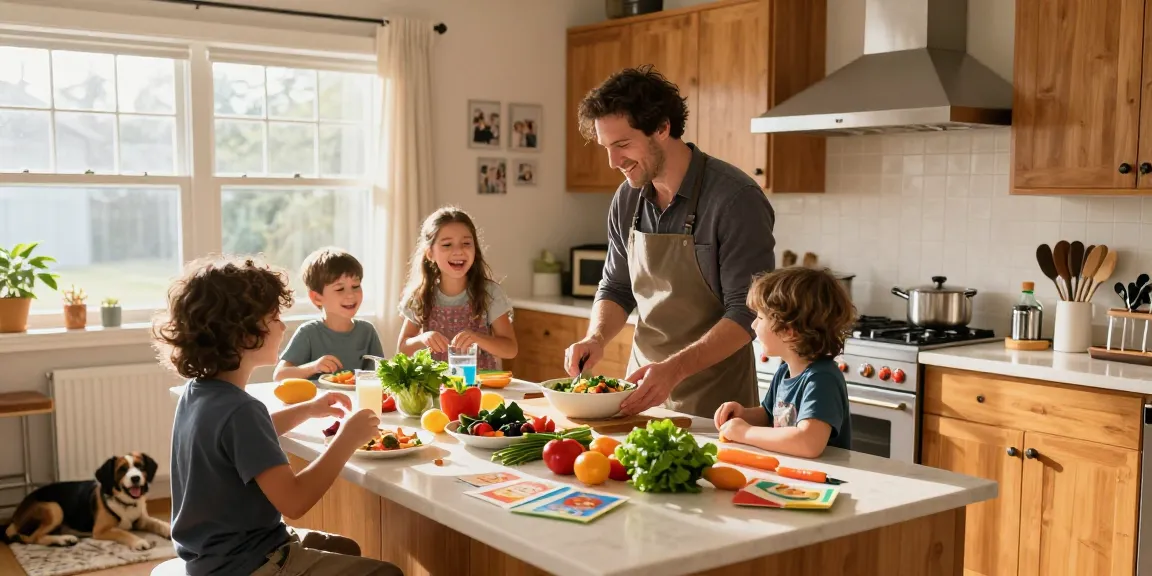
The kitchen is often referred to as the heart of the home, and for good reason. It is here that families gather not only to prepare meals but to share stories, laughter, and even the occasional mishap. Whether it’s baking cookies for a school event or preparing a special meal for a birthday, these shared experiences create cherished memories. Encourage children to participate in meal preparation by assigning them age-appropriate tasks, from washing vegetables to stirring sauces. By engaging kids in cooking, you help them develop a sense of accomplishment and ownership. Remember, the journey is just as important as the destination, so allow room for discovery and creativity!
Boosting Your Child’s Culinary Skills Together
Involving children in cooking is an excellent way to enhance their culinary skills, which can lead to a greater appreciation for food and nutrition. Start with simple recipes that encourage basic techniques such as chopping, mixing, or measuring. As their confidence grows, gradually introduce more complex dishes. You might be surprised at how quickly they pick up skills and develop a passion for cooking. An easy way to teach children is to explore themed nights, where each week focuses on a different cuisine. Not only does this broaden their culinary repertoire, but it also introduces them to various cultural traditions, fostering openness and curiosity.
Strengthening Family Bonds Through Shared Meals
Family meals can serve as a cornerstone for fostering family ties. Research suggests that families who share meals together regularly experience improved communication and stronger relationships. Take the time to gather around the table, free from distractions. Discuss the day’s highlights and encourage each family member to share something new they learned. Such conversations can sometimes reveal insights into your child’s thoughts and feelings that you might otherwise miss. Additionally, involving your children in meal planning allows them to express their preferences and learn about balanced nutrition, making mealtimes more enjoyable for everyone.
Quick and Easy Recipes for Busy Families
With the hustle and bustle that comes with family life, quick and easy recipes are a lifesaver. Here are a few ideas to help tired parents whip up delicious meals without spending hours in the kitchen.
5 Dinner Recipes Under 30 Minutes
- One-Pan Lemon Garlic Chicken: A quick sauté of chicken breasts with garlic and lemon zest, tossed with green beans for a complete meal.
- Vegetable Stir-Fry: Mix up your favorite veggies with soy sauce and serve over rice or noodles.
- Taco Night: Set up a taco bar with pre-cooked meats, fresh toppings, and tortillas for a fun, customizable dinner.
- Quick Pasta Primavera: Boil pasta and toss it with seasonal vegetables, olive oil, and parmesan cheese.
- Sheet Pan Salmon: Roast salmon with asparagus and cherry tomatoes for a healthy meal that’s ready in minutes.
Healthy Breakfast Ideas to Kickstart Your Day
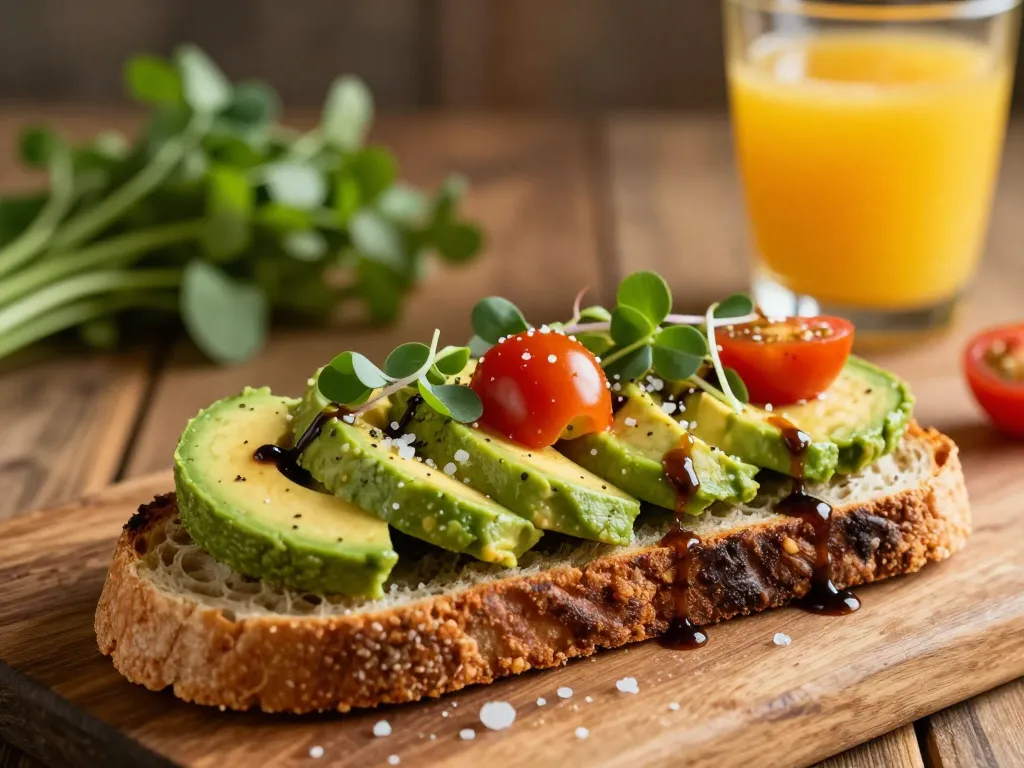
A great day starts with a nutritious breakfast. These simple breakfast ideas can fuel busy families:
- Overnight Oats: Combine oats with yogurt, fruits, and nuts for a healthy on-the-go breakfast.
- Fruit Smoothies: Blend together fruits, spinach, and yogurt for a refreshing drink packed with nutrients.
- Egg Muffins: Whisk eggs with vegetables and bake them in muffin tins for a portable breakfast option.
Preparing Weekend Brunches Together
Weekend brunch is the perfect opportunity to slow down and enjoy meals as a family. Let each member contribute their favorite dish, whether it’s pancakes, fruit salad, or breakfast burritos. Preparing brunch together can turn into a fun event filled with laughter and collaboration as you experiment with new recipes and create delicious new traditions.
Educational Aspects of Cooking
Cooking is not just a way to satisfy hunger; it can be an engaging educational experience that helps children learn various skills.
How Cooking Enhances Math Skills in Kids
Cooking is a practical way for children to practice math concepts like fractions, measurements, and time. When following recipes, kids must measure ingredients accurately, which enhances their understanding of quantities. Invite them to help double or halve recipes to reinforce these concepts. These small exercises can instill a sense of comfort with numbers that will serve them well in everyday situations and academics.
Building Vocabulary Through Recipe Reading
Reading through recipes introduces children to new words and cooking-related vocabulary. Encourage them to read out loud while preparing a dish. This not only enhances their language skills but also builds their confidence in reading. Discuss unfamiliar terms and encourage them to ask questions about the steps involved in the cooking process. Making it interactive can deepen their understanding and retention of new words.
Encouraging Healthy Eating Habits
Cooking provides an ideal platform for teaching children about nutrition. By involving them in meal preparation, you can explain the benefits of healthy ingredients and the importance of balanced eating. Use cooking as a means to introduce them to various food groups and encourage them to try new foods. Experimenting with colors and textures not only makes meals visually appealing but also exciting for them to taste. This hands-on experience can lead to making healthier choices later in life.
Making Cooking Fun and Engaging
Transforming cooking into a fun activity can make it an exciting part of daily life for children. Consider incorporating elements of play into your cooking sessions.
Creative Cooking Challenges for Kids
Turn meal preparation into a game by setting cooking challenges. Have them create a dish using a specific ingredient, or establish time limits for preparing certain meals. These challenges can spark creativity, making the experience feel like an adventure rather than a chore. Celebrate their culinary successes, no matter how small, to motivate them to continue exploring in the kitchen.
Integrating Storytelling with Recipes
Encourage children to tell stories about the dishes they are preparing. This could be based on family history, cultural backgrounds, or even fictional tales about the food. Storytelling can enhance their connection to what they eat and make the cooking process more engaging. It can also inspire them to ask questions and become curious about ingredients and cooking methods.
Using Cooking as a Teaching Tool
Cooking can be an excellent vehicle for teaching other life skills. Discuss the importance of safety in the kitchen, such as handling knives properly or understanding cooking temperatures. This practical knowledge, combined with culinary skills, can help kids become more independent and proficient in the kitchen.
Organizational Tips for Stress-Free Cooking
Planning ahead and staying organized can help alleviate the stress often associated with meal preparation.
Meal Planning Strategies for Families
Meal planning is a powerful tool that can save time and reduce weekday chaos. Set aside time each week to plan out meals, factoring in everyone’s preferences and any special dietary needs. Create a shopping list based on your planned meals to ensure you have everything you need on hand. Involving children in the planning process can also help them feel more invested in the meals you prepare together.
Grocery Shopping Tips for Healthy Eating
When grocery shopping, opt for a list to keep the focus on healthy ingredients. Teach children to read labels and identify foods with fewer additives and more nutrients. You might also consider visiting local farmers’ markets to choose fresh ingredients together, sparking conversations about seasonal produce and where food comes from.
Creating a Family Recipe Binder
Compile favorite family recipes into a binder that children can reference. This not only organizes your go-to meals but also creates a keepsake they can cherish and add to in the future. Encourage them to help write down their own culinary creations to foster pride in their cooking journey.
What are some fun recipes to try at thestorybookstomach.com?
On thestorybookstomach.com, you’ll find numerous fun recipes tailored for family engagement and learning.
How can cooking together improve family dynamics?
Cooking together fosters teamwork, communication, and shared enjoyment, leading to stronger family relationships.
What are the best educational benefits of cooking?
Cooking teaches math, reading, healthy eating habits, and provides practical life skills that children will use throughout their lives.
How to make meal prep fun for kids?
Incorporate games, challenges, and themes to make meal prep exciting, allowing kids to experiment and engage their creativity.
What tools do I need for family cooking activities?
Basic kitchen tools such as child-safe knives, measuring cups, and mixing bowls can facilitate enjoyable and safe cooking experiences for children.