
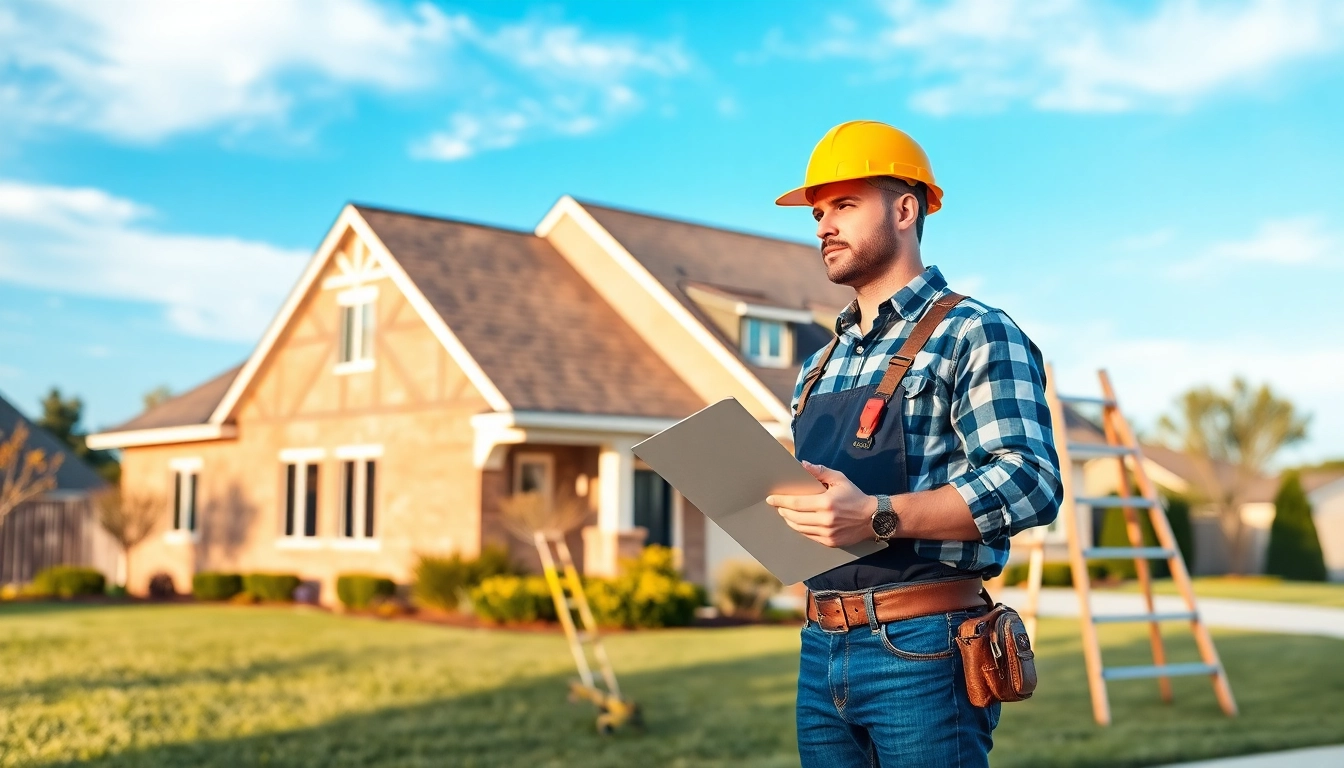
Understanding the Role of a Roofing Contractor
When it comes to maintaining and improving your home, selecting the right Roofing contractor is paramount. These professionals play a crucial role in ensuring the durability and functionality of your roof. It’s essential to understand their responsibilities and the various services they provide to make informed decisions regarding your roofing needs.
What Does a Roofing Contractor Do?
A roofing contractor specializes in the construction, installation, and maintenance of roofs. Their expertise encompasses various types of roofing systems, ranging from traditional shingles to modern materials like metal and tiles. A typical range of responsibilities includes:
- Conducting roof inspections to assess existing conditions.
- Providing estimates for repair or installation work.
- Installing new roofing systems.
- Performing regular maintenance and repairs.
- Advising homeowners on roofing materials and solutions suitable for their homes.
Types of Roofing Services Offered
Roofing contractors offer a diverse array of services tailored to meet the varying needs of homeowners:
- New Roof Installation: Installing roofs for new constructions or complete remodels.
- Roof Replacement: Removing an old or damaged roof to install a new one.
- Repairs: Fixing leaks, damage, or wear and tear caused by weather or time.
- Maintenance Services: Regular inspections and upkeep to extend the roof’s life.
- Emergency Services: Providing urgent repairs after storms or sudden damage.
How to Assess Contractor Expertise
Choosing a roofing contractor involves evaluating their proficiency and experience. Key indicators include:
- Years in Business: Look for contractors with a proven track record.
- Certifications: Check for certifications from roofing manufacturers or industry organizations.
- Portfolio: Review previous projects to gauge quality and reliability.
- Warranties Offered: Ensure they provide warranties on both materials and workmanship.
Identifying Quality Roofing Contractors
Finding a reliable roofing contractor requires research and discernment. It’s essential to identify those who exemplify professionalism and quality.
Key Qualities to Look For
When searching for a roofing contractor, consider these critical qualities:
- Professionalism: Look for contractors who are punctual, polite, and communicative.
- Experience: A contractor who has worked on various types of roofs and projects is likely more capable.
- Transparency: Good contractors will clearly explain processes, timelines, and costs without hidden fees.
- Follow-up Services: Check if they offer maintenance or follow-up inspections after completing work.
Importance of Licensing and Insurance
Qualified contractors must be properly licensed and insured. This protects both the homeowner and the contractor during the project. Verify that the contractor has:
- Licensing: This ensures they meet state requirements and building codes.
- Insurance: This provides coverage for accidents or damages occurring on the job site.
Customer Reviews and Testimonials
Researching customer feedback can provide valuable insights into a contractor’s reliability and quality of work. Look for:
- Online Reviews: Browse platforms like Google, Yelp, or specialized contractor directories.
- Testimonials on a Company Website: Reviews given directly can highlight strengths and weaknesses.
- Word of Mouth: Ask friends or neighbors for their recommendations based on past experiences.
Questions to Ask Your Roofing Contractor
Before hiring a roofing contractor, it’s prudent to ask certain questions to gain clarity on the project and contractor capabilities.
What Is the Estimated Timeline?
Understand how long it will take to complete the project. This includes the duration for obtaining permits, actual installation, and any interior work that may be required.
Can You Provide References?
Request references from previous clients. Speaking with past customers can give you further insights into their satisfaction levels and the quality of work.
What Materials Do You Recommend?
Material choice can significantly affect the longevity and durability of your roof. A knowledgeable contractor will tailor recommendations based on climatic conditions, budgets, and homeowner preferences.
The Importance of Written Estimates
Written estimates protect both the homeowner and contractor by clearly outlining costs and project scope, allowing for transparency and trust in the transaction.
How to Interpret Estimates?
When reviewing estimates, pay attention to the following features:
- Itemization: Look for detailed breakdowns of labor, materials, and any additional costs.
- Payment Schedule: Understand when payments are due and the total expected cost.
- Terms and Conditions: Be aware of what happens in case of delays or unexpected issues.
Understanding Project Scope
The project scope should concisely define the work involved. This helps prevent misunderstandings about what’s included and what might incur extra costs.
Potential Additional Costs
Be wary of potential hidden costs that might arise during the project, such as:
- Structural damage discovered after removing old roofing.
- The need for additional insulation or underlayment.
- Permitting or inspection fees not initially included in estimates.
Maintaining Your Roof After Installation
Once your new roof is installed, ongoing maintenance is crucial to extend its lifespan and protect your home.
Regular Inspection Tips
Schedule regular inspections every six months, and especially after severe weather events. Check for:
- Missing or loose shingles.
- Debris accumulation or drainage issues.
- Signs of leaks or water stains in the interior.
Signs of Roof Damage to Watch For
Be vigilant for the following indicators of potential roof damage:
- Cracks in shingles or tiles.
- Moisture in the attic or on ceilings.
- Sagging roofline or visible hole formations.
When to Call a Professional Roofing Contractor
If you notice any of the signs mentioned or if your roof is nearing the end of its expected lifespan, it’s advisable to call a professional roofing contractor for an assessment and repairs.
FAQs About Roofing Contractors
How do I choose the right roofing contractor?
Research their experience, read customer reviews, verify licensing and insurance, and compare estimates to make an informed choice.
What should I expect during a roof installation?
Expect initial measurements, removal of old materials, installation of new roofing, and cleanup. Communication during the process is essential.
How long does a new roof last?
The lifespan of a roof depends on materials used—shingles can last 15-25 years, while metal roofs can last 40 years or more with proper maintenance.
Can I stay in my home during roof repairs?
In most cases, you can remain at home during repairs, but expect noise and potential disruptions. Consult your contractor for details.
What types of roofing materials are available?
Common roofing materials include asphalt shingles, metal, wood, tile, and slate. The best choice depends on environmental factors and budget.