Understanding Sineklik: The Basics
Sineklik, commonly known as insect screens, are essential additions to homes, particularly during warmer months when windows and doors are frequently opened. These screens are designed to keep unwanted pests out while allowing fresh air and light to enter. They come in various styles and materials, each suited to different needs and preferences. When exploring options, Sineklik provides comprehensive insights into the various types available on the market.
What is Sineklik?
Sineklik is a barrier that is installed on doors and windows to prevent insects from entering while still allowing air to flow. This is particularly important in warm climates where doors and windows may be kept open to ventilate homes. Sineklik can be made from various materials including fiberglass, aluminum, and polyester, each offering different levels of durability and effectiveness against pests.
Types of Sineklik Available
- Magnetic Sineklik: These are equipped with built-in magnets that allow them to close automatically after being passed through. They are convenient for high-traffic areas.
- Pliseli Sineklik: This type folds up like an accordion, making it easy to retract when not in use. It is ideal for larger openings.
- Fixed Sineklik: As the name suggests, these are permanently mounted and can be removed only when necessary. They are often used in windows that do not need frequent access.
- Roller Sineklik: These can be rolled up when not needed, providing flexibility and ease of use while maintaining aesthetics.
Benefits of Using Sineklik in Homes
Incorporating sineklik into your home offers numerous benefits. They not only keep insects at bay, but also enhance comfort by allowing air circulation without compromising safety. Here are some key advantages:
- Enhanced Comfort: Enjoy fresh air while keeping irritating bugs outside.
- Energy Efficiency: Reduce reliance on air conditioning by allowing natural ventilation.
- Protection Against Allergens: Sineklik can help block pollen and other allergens from entering your home.
- Durability: Many sineklik models are designed to withstand the elements, ensuring longevity.
Market Trends and Pricing for Sineklik in 2026
The sineklik market is witnessing significant transformations as consumer preferences evolve and technology advances. In 2026, the demand for versatile and aesthetically pleasing sineklik options is expected to rise, as homeowners seek solutions that blend functionality with design.
Overview of Current Pricing Trends
As of 2026, the prices of sineklik can vary widely, depending on material quality, size, and design features. On average, consumers can expect to pay between $20 to $100 for standard models. Premium models that offer advanced features such as UV resistance or enhanced durability can cost upwards of $150.
Market Demand: What Consumers are Looking For
Today’s consumers are increasingly interested in customization and innovative designs. Features such as easy installation, reusability, and compatibility with smart home systems are becoming essential selling points. Furthermore, eco-friendly materials are gaining traction as sustainability becomes a priority for many.
Predicted Pricing Challenges in the Upcoming Year
With inflationary pressures and increased material costs, the sineklik market may face challenges in pricing stability. Manufacturers will need to balance quality with affordability to maintain consumer interest. Additionally, competition among brands will likely influence pricing strategies, forcing companies to innovate to stand out.
Installing Sineklik: Best Practices
Installing sineklik can be a straightforward process if done correctly. Here is a breakdown of best practices to ensure a seamless installation experience.
Step-by-Step Installation Guide
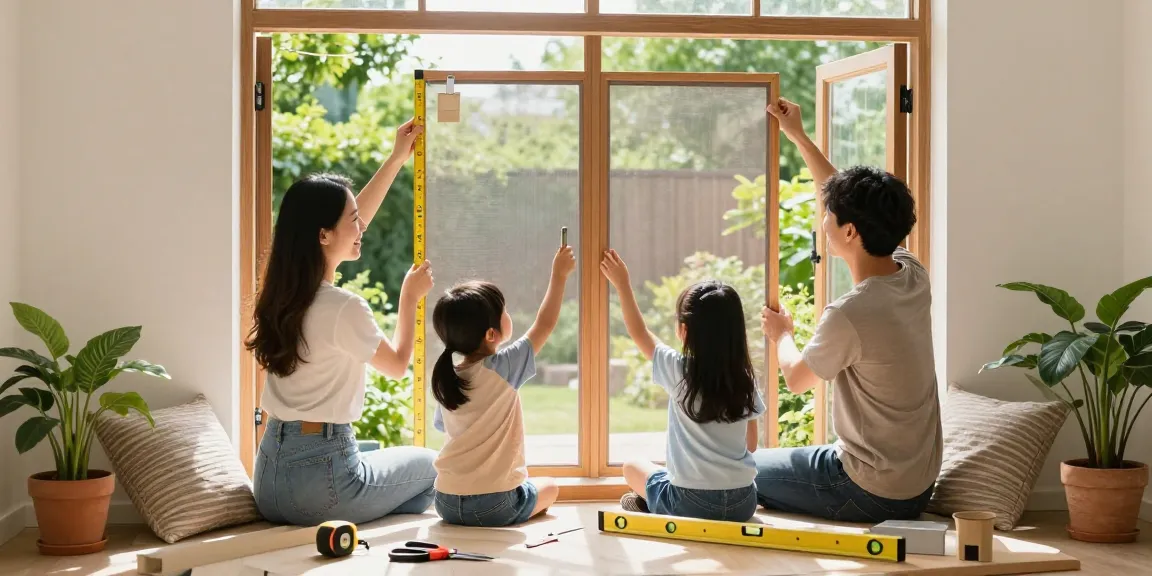
- Measure Your Openings: Before purchasing a sineklik, accurately measure the dimensions of your windows and doors.
- Choose the Right Type: Based on your needs, choose the type of sineklik that suits your space and lifestyle.
- Gather Tools: Tools may include a measuring tape, scissors, a screwdriver, and mounting hardware, depending on the sineklik type.
- Follow Instructions: Each sineklik comes with specific installation instructions. Make sure to follow them closely.
- Test the Fit: Once installed, ensure it fits correctly and opens/closes smoothly.
Common Installation Mistakes to Avoid
- Incorrect Measurements: Always double-check measurements to avoid purchasing the wrong size.
- Poor Alignment: Ensure that the sineklik aligns perfectly with the door or window frame.
- Neglecting Weather Conditions: Consider environmental factors when selecting materials to ensure durability.
Tools Needed for a Successful Installation
Having the right tools on hand can make installation much easier. Common tools include:
- Measuring tape
- Utility knife or scissors
- Screwdriver
- Level
- Drill (if required for affixing certain types)
Choosing the Right Sineklik for Your Home
Selecting the right sineklik is crucial for maximizing functionality and aesthetics. Here are some factors to consider before making a purchase.
Factors to Consider When Buying Sineklik
- Material: Choose a material that fits your needs, whether it’s durability, flexibility, or visual appeal.
- Ease of Use: Consider how often you will need to open and close the sineklik; some models are easier to operate than others.
- Design Compatibility: Ensure the sineklik complements your home’s interior and exterior design.
Comparing Different Models and Their Features
When comparing models, look for specific features that enhance usability, such as:
- Retractable Designs: For those who prefer flexibility in use.
- UV Protection: Ideal for sunny climates to protect interiors.
- Custom Sizes: To ensure a perfect fit for unique openings.
Real-world Examples of Using Sineklik
Homes in urban areas often utilize magnetic sineklik due to their ease of use, while rural homes may prefer fixed sineklik for greater durability against outdoor elements. Each household can benefit differently based on their unique environment and lifestyle needs.
Future of Sineklik: Innovations and Sustainability
The sineklik market is poised for significant innovations as technology and sustainable practices come to the forefront. Future developments are likely to focus on enhanced performance and eco-friendly materials.
Emerging Technologies in Sineklik Design
With advancements in materials science, we can expect sineklik to utilize smart fabrics and adaptive materials that respond to environmental conditions, enhancing pest control without compromising airflow.
Eco-friendly Sineklik Solutions
Many manufacturers are now focusing on creating sineklik using recycled and sustainable materials, appealing to environmentally conscious consumers. This shift is not only beneficial for the planet but also promotes a healthier living environment.
Predictions for the Next Decade in Sineklik Development
As the demand for home improvement continues to rise, it is predicted that the sineklik will become more integrated with home automation systems, allowing for features such as remote control operation and automated retraction, making them more convenient than ever.
What are the main benefits of using Sineklik?
Sineklik offers a range of advantages, including protection from insects, improved air circulation, and enhanced comfort in living spaces.
How do I install a Sineklik properly?
Follow a step-by-step guide that includes precise measurements, choosing the appropriate type, and ensuring that you have the right tools for the job.
What should I look for when purchasing Sineklik?
Consider factors such as material quality, design, ease of use, and compatibility with your home’s aesthetic when selecting a sineklik.
Are there sustainable options for Sineklik?
Yes, many brands are offering sineklik made from eco-friendly materials, appealing to those looking to minimize environmental impact.
What trends should I expect in the Sineklik market by 2026?
Anticipate advancements in design, such as smart features, increased customization, and a focus on sustainability as consumer preferences evolve.