
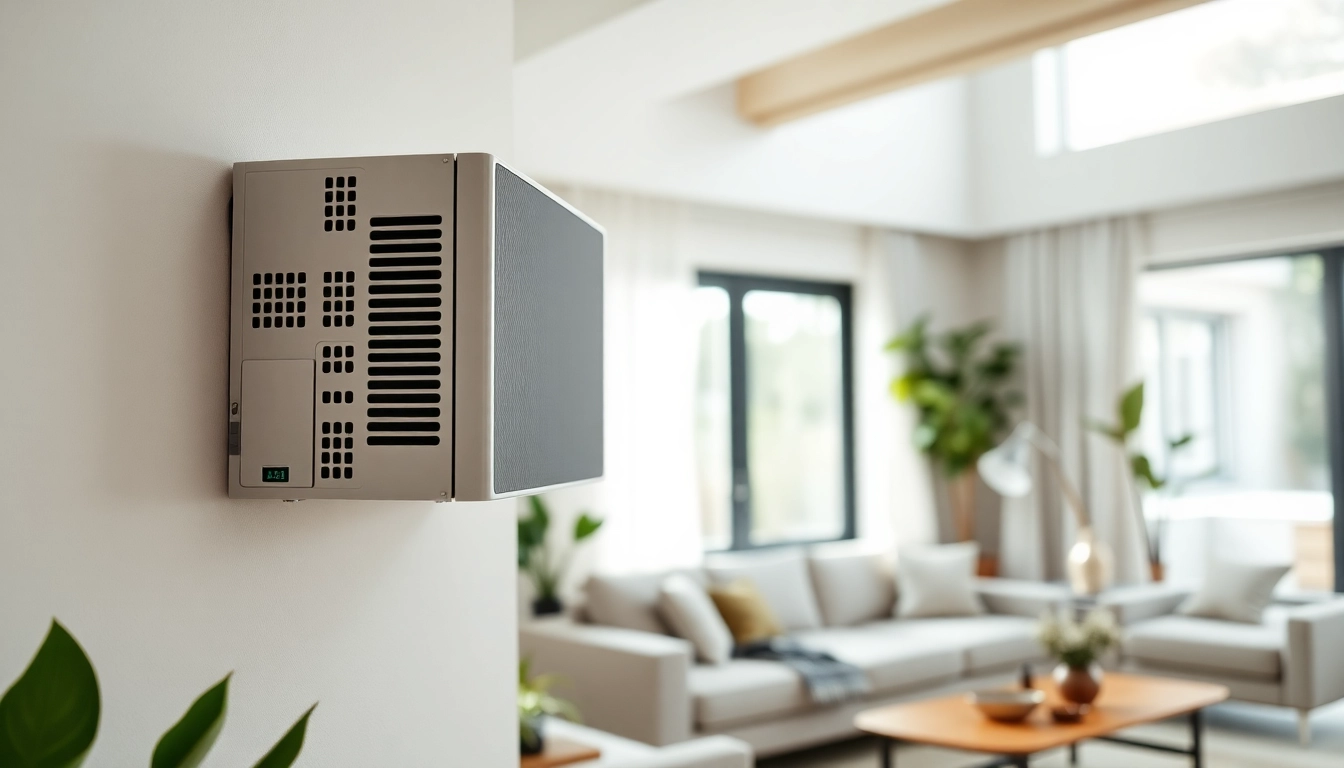
Understanding Mitsubishi Mini Split AC Systems
What is a Mitsubishi Mini Split AC?
The mitsubishi mini split ac is a revolutionary air conditioning system that operates without ductwork, making it ideal for various applications, from residential to commercial. It consists of an outdoor unit and one or more indoor units that are connected by refrigerant lines. This configuration allows for personalized temperature control in individual rooms or zones, providing comfort where it’s most needed. Mitsubishi mini splits are compact, efficient, and relatively simple to install, unlike traditional central air conditioning systems that require extensive ductwork. This flexibility allows homeowners to maintain temperature control in spaces that may not traditionally accommodate HVAC systems.
Key Features and Benefits
Mitsubishi mini split systems come with numerous features that cater to various needs and preferences. Here are some key benefits:
- Energy Efficiency: Mini splits are designed to optimize energy usage, often with Seasonal Energy Efficiency Ratios (SEER) rated higher than traditional HVAC units.
- Zone Control: The ability to control the temperature in multiple zones independently can lead to significant comfort and energy savings.
- Quiet Operation: The outdoor units operate at lower decibel levels compared to traditional air conditioners, allowing for peaceful nights and quiet environments.
- Flexible Installation: Without the need for ductwork, installation can be easier and faster, with options tailored to unique space configurations.
- Heating Capabilities: Many models are equipped for heating as well, providing year-round climate control and comfort.
Finding the Right Size for Your Space
To ensure optimal performance, selecting the right size for your Mitsubishi mini split AC is crucial. Units are typically measured in British Thermal Units (BTUs), which signifies their cooling and heating capacity. A system that is too small cannot adequately cool or heat your space, while one that is too large can lead to inefficient operation and temperature inconsistencies.
When determining the appropriate size, consider the following factors:
- The total square footage of the area to be conditioned.
- Ceiling height and insulation quality.
- The number of windows and their type (single-pane versus double-pane).
- Local climate conditions.
- The number of occupants in the space, as additional body heat impacts comfort levels.
Consult a professional if you’re uncertain about the sizing. They can perform a load calculation to recommend the right unit for your needs.
Installation and Setup Best Practices
Preparing Your Space for Installation
Successful installation of a Mitsubishi mini split AC begins with proper preparation of the installation site. Here are some essential steps to consider:
- Choose an Optimal Location: The indoor unit should be installed in a location that maximizes airflow throughout the space, avoiding obstacles such as furniture or walls.
- Ensure Accessibility: The outdoor unit should be placed in an accessible area for maintenance and servicing. It should also have adequate ventilation and not be placed in areas prone to flooding.
- Assess Electric Supply: Confirm that the electrical supply is capable of supporting the new unit. Work with a licensed electrician if any upgrades are needed.
Professional vs. DIY Installation
While some homeowners may choose to install the Mitsubishi mini split AC themselves, hiring a professional is often recommended. Professionals have the necessary experience and tools to ensure installation complies with local codes and standards. They can also offer insights into optimizing the system’s performance after installation.
For the DIY enthusiasts, it’s essential to thoroughly research installation manuals, watch instructional videos, and be prepared to handle electrical connections safely. Improper installation can lead to performance issues and may void the warranty.
Common Installation Mistakes to Avoid
Several common pitfalls can undermine the effectiveness of your Mitsubishi mini split AC installation:
- Improper Sizing: As mentioned previously, failing to choose the right size can lead to inefficiencies.
- Incorrect Refrigerant Lines: The diameter and length of the refrigerant lines must be appropriate; otherwise, it can hinder system operation.
- Neglecting Drainage: Not providing adequate drainage for condensate can cause water damage in your home.
- Forgetting to Seal Connections: Loose connections can lead to refrigerant leaks, severely impacting performance.
Energy Efficiency and Cost Savings
How Mitsubishi Mini Split ACs Save Energy
Mitsubishi mini split systems are designed with a focus on energy efficiency. These units can save homeowners significantly on energy bills for several reasons:
- Inverter Technology: Most Mitsubishi mini splits use inverter-driven compressors that adjust operation based on real-time cooling and heating needs instead of stopping and starting, which consumes more energy.
- Individual Zone Control: By allowing users to heat or cool only occupied spaces, energy is not wasted on unoccupied areas.
- Eco-Friendly Refrigerants: Many models use environmentally friendly refrigerants that ensure lower greenhouse gas emissions and increased energy conservation.
Understanding SEER Ratings
Seasonal Energy Efficiency Ratio (SEER) ratings are critical in determining the energy efficiency of air conditioning units. The SEER rating represents the cooling output divided by the total energy consumption over a typical cooling season. The higher the SEER rating, the more efficient the unit. Typically, Mitsubishi mini split systems have SEER ratings ranging between 16 and 30, which is often significantly higher than traditional HVAC systems, generally rated between 8 to 14.
Investing in a higher SEER-rated unit may lead to an increased upfront cost, but the long-term savings on energy bills often justify the investment.
Estimating Your Return on Investment
Calculating the return on investment (ROI) for your Mitsubishi mini split AC involves considering the initial costs, energy savings, and potential reductions in maintenance expenses compared to traditional systems. Basic steps to estimate ROI include:
- Calculating the estimated annual energy savings based on local electric rates and the expected efficiency of the unit.
- Factoring in any rebates or incentives provided by local utility companies for energy-efficient installations.
- Estimating the unit’s lifespan, usually 15 to 20 years, and comparing potential operational costs against standard systems.
Many homeowners find that the savings, combined with the longevity and efficiency of the Mitsubishi mini split AC, lead to a favorable ROI.
Maintenance Tips for Longevity
Routine Cleaning and Care
Proper maintenance is essential for longevity and optimal performance of your Mitsubishi mini split AC. Some key maintenance tasks include:
- Cleaning Air Filters: Regularly cleaning or replacing air filters every 1-3 months is vital for optimal airflow and energy efficiency.
- Inspecting Condensate Lines: Check and clear condensate drain lines to prevent clogs and leaks.
- Outdoor Unit Care: Keep the area around the outdoor unit free of debris, plants, and snow to ensure maximum air intake.
Identifying Common Issues
Being vigilant in spotting potential problems can prevent costly repairs or reduced efficiency. Common issues include:
- Unusual Noises: Grinding or rattling noises can indicate mechanical problems and should be inspected.
- Inefficient Cooling/Heating: If the system struggles to maintain the desired temperature, it may signal refrigerant leaks or internal component issues.
- Increased Energy Bills: A sudden spike in energy costs may indicate that the system is working harder than it should be.
When to Call a Professional
While routine maintenance can be conducted by homeowners, certain issues require professional assistance. If you experience:
- Refrigerant leaks
- Electrical issues (frequent tripping of breakers)
- Persistent unusual noises or odors
These conditions can pose safety risks and should be promptly addressed by a qualified HVAC technician.
Frequently Asked Questions
What is the average lifespan of a Mitsubishi Mini Split AC?
Typically, a Mitsubishi mini split AC can last 15 to 20 years with proper maintenance.
Are Mitsubishi Mini Split AC units noisy?
No, they operate quietly compared to traditional HVAC systems, making them ideal for home use.
Can I use a Mitsubishi Mini Split AC for heating?
Absolutely, many models function effectively for both cooling and heating, offering year-round comfort.
How often should I service my Mitsubishi Mini Split AC?
It’s recommended to service your unit at least once a year to ensure optimal performance.
Do Mitsubishi Mini Split AC systems require ductwork?
No, that’s the benefit of mini splits; they’re ductless and can be installed in various spaces easily.