
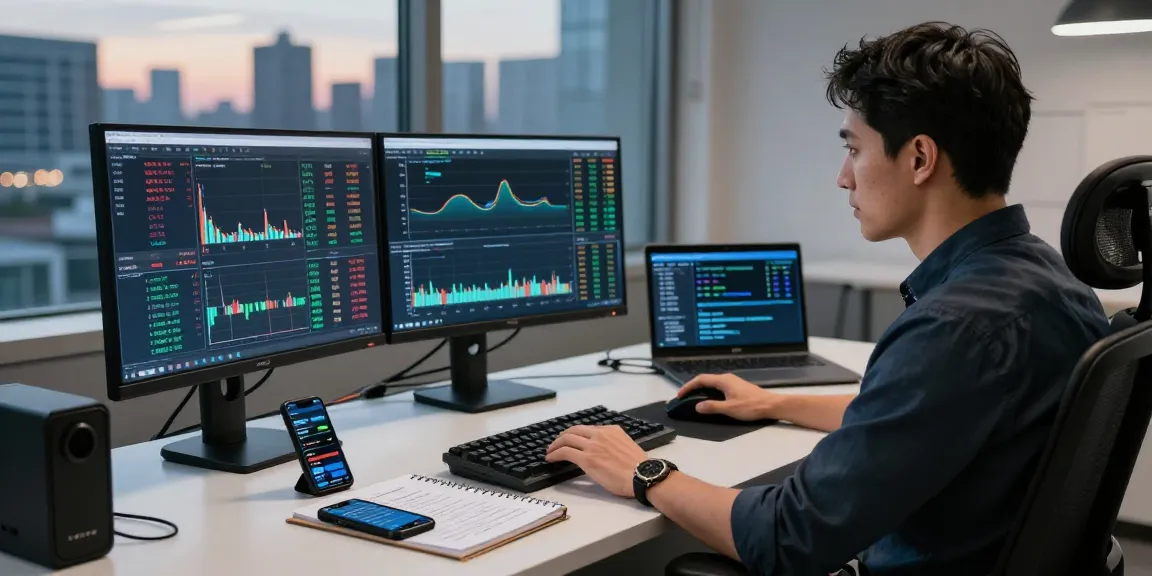
Understanding Trading VPS: The Basics
In the fast-paced world of futures trading, every millisecond counts. The ability to execute trades swiftly and reliably can make a significant impact on profits. This is where a Virtual Private Server (VPS) comes into play. A trading VPS is not just a technology; it’s an essential tool designed specifically to optimize trading efficiency and performance. By hosting your trading platform on a powerful server, you gain the advantage of ultra-low latency connections, which is critical in high-frequency trading environments. When exploring options, trading vps solutions can provide comprehensive insights tailored to the needs of futures traders.
What is a Trading VPS?
A Trading VPS is a dedicated virtual server specifically configured for trading applications. It allows traders to run their trading platforms 24/7 without interruptions, utilizing resources that are separate from personal computers. Unlike traditional shared hosting, VPS provides a private environment that enhances security, reliability, and performance, which is essential for executing trades accurately and efficiently.
Why Futures Traders Prefer a VPS
Futures trading is characterized by its volatility and rapid price movements, demanding that traders respond quickly to market changes. A VPS ensures that traders have constant access to their platforms, enabling them to place trades without the lag typically associated with home internet connections. Futures traders prefer a VPS for reasons including:
- Speed: Low-latency servers ensure rapid trade execution.
- Uptime: VPS providers guarantee high uptime, meaning traders can maintain connectivity during critical market conditions.
- Security: Enhanced security measures protect trading activities from external threats.
Key Benefits of Using a VPS for Trading
Utilizing a VPS for trading offers several advantages that are integral to improving performance and profitability:
- Increased Performance: With dedicated resources, traders experience faster processing speeds, allowing for quicker execution of trades.
- Reliability: VPS services typically offer robust infrastructure and backup options, ensuring that systems remain operational even during power failures or internet disruptions.
- Accessibility: Traders can access their VPS from anywhere in the world, which is particularly useful for those who travel frequently.
Choosing the Right Trading VPS Plan
Selecting the appropriate trading VPS plan can be a daunting task, given the multitude of options available. Each trader has unique requirements based on their trading style, platforms used, and budget constraints. Here are some crucial factors to consider:
Factors to Consider When Selecting a VPS
- Location of Data Centers: Proximity to major financial exchanges can significantly reduce latency.
- Hardware Specifications: Look for VPS plans that feature high-performance CPUs, such as the AMD Ryzen 9 9950X, which is renowned for handling demanding tasks efficiently.
- Scalability: Choose a VPS provider that offers easy upgrade options to accommodate future trading growth.
Comparing VPS Providers for Futures Trading
When comparing VPS providers, focus on performance metrics such as speed, uptime, and customer reviews. Evaluate the following:
- Latency: Many providers publish their latency rates, which can be an indicator of performance.
- Support: Reliable customer support is vital, especially during trading hours; check for 24/7 availability.
- Reputation: Research user experiences and testimonials to understand the provider’s reliability.
Pricing and Performance: What to Expect
Pricing for trading VPS services can vary widely based on features, specifications, and level of service. While it might be tempting to choose the cheapest option, ensure that the provider offers a balance between cost and performance. High-quality VPS hosting tailored for trading can save you money in the long run by minimizing downtime and optimizing trade execution.
Optimizing Your Trading Environment
Once you’ve selected a VPS, it’s essential to optimize your trading environment for the best results. Configuration is key to ensuring that your trading system runs smoothly:
Configuring Your VPS for Ultra-Low Latency
To achieve ultra-low latency, configure your VPS settings to prioritize your trading platform. Disable unnecessary applications and processes that may consume resources and slow down performance. Additionally, consider using a dedicated IP address for increased reliability and security.
Supported Trading Platforms and Software
Ensure that your VPS supports the trading platforms you intend to utilize, such as MetaTrader, NinjaTrader, or TradingView. Compatibility with a wide range of trading software ensures seamless integration and functionality.
Best Practices for Maximum Efficiency
To maximize the efficiency of your trading VPS, apply the following best practices:
- Regular Updates: Keep your trading software and VPS operating system updated to benefit from enhanced features and security patches.
- Monitoring: Use monitoring tools to track performance metrics and respond promptly to any issues.
- Backups: Regularly back up your data to prevent loss of critical information.
Advanced Features of Trading VPS
Today’s trading VPS solutions come with a variety of advanced features that further enhance trading performance:
Understanding DDoS Protection and Security
Cybersecurity is critical for traders, especially given the risks associated with hacking and DDoS attacks. Many VPS providers offer advanced DDoS protection, ensuring that your server remains online and secure during potential attacks. This feature is particularly important for high-stakes trading environments.
Monitoring Performance Metrics
Utilizing tools to monitor server performance can help traders identify bottlenecks and optimize configurations. Look for VPS services that provide insights into CPU usage, memory consumption, and network bandwidth to analyze performance and make informed adjustments.
Future Trends in VPS Technology for Traders
As technology evolves, several trends in VPS hosting for traders are emerging. These include:
- Artificial Intelligence: AI-driven optimization tools that can help automate trade execution and system performance adjustments.
- Increased Cloud Integration: The shift towards cloud technology offers greater flexibility and scalability for VPS users.
- Enhanced Security Protocols: Continuous improvements in cybersecurity measures are aimed at protecting sensitive trading data.
Frequently Asked Questions
How quickly will my VPS be activated after purchase?
Activation times can vary by provider. Most reputable VPS services aim for immediate activation, often within minutes, to ensure traders can start trading without delay.
Where are your data centers located for optimal trading?
Your provider’s proximity to major financial hubs, like Chicago or New York, can greatly influence trade execution speed. Look for VPS companies with data centers strategically located near these markets.
Can I upgrade my VPS plan easily?
Many VPS providers offer scalable plans that allow users to easily upgrade or downgrade their resources based on trading needs. It’s important to choose a provider that offers flexible options to accommodate growth.
What support options are available for VPS users?
Quality support is critical in trading. The best VPS providers offer 24/7 customer service through various channels, including live chat, email, and telephone support.
How does a VPS improve my trading performance?
A VPS improves trading performance by providing an environment that is faster and more stable than a personal computer. With dedicated resources, traders can execute trades immediately without the risk of downtime due to local network issues.