
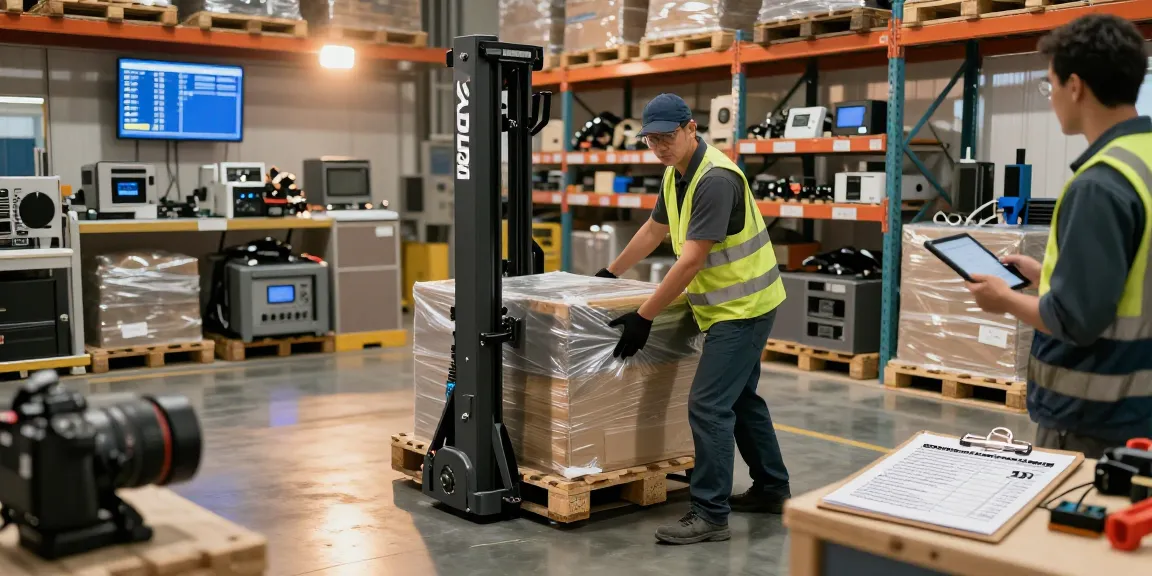
Introduction to the Apollo Stacker
In the rapidly evolving world of material handling, the Apollo Stacker has emerged as a powerful tool designed to meet the demands of modern warehouses. With its electric operation and advanced features, this stacker represents a significant advancement over traditional lifting equipment. As industries strive for sustainability and efficiency, electric stackers like the Apollo are at the forefront, reducing carbon footprints while enhancing operational productivity. Companies looking to maintain a competitive edge must understand the benefits and capabilities of this innovative equipment.
When exploring options, apollo stacker provides comprehensive insights that empower businesses to make informed decisions about their material handling needs. This article delves into the features, performance benefits, and future trends associated with the Apollo Stacker, offering a thorough understanding for potential buyers.
What is the Apollo Stacker?
The Apollo Stacker is a state-of-the-art electric stacker designed to simplify the lifting and transporting of goods in warehouses, factories, and distribution centers. Unlike traditional forklifts, Apollo Stackers are engineered with advanced technology that makes them more efficient and environmentally friendly. Their electric motors provide silent operation with zero emissions, making them ideal for indoor use where air quality is a concern. Furthermore, the compact design of the Apollo Stacker allows for easy maneuverability in tight spaces, maximizing storage efficiency.
Key Features of Apollo Stackers
- Electric Operation: Electric stackers minimize operational noise and environmental impact.
- Versatile Lifting Heights: Various models offer lift heights ranging from 8 to 18 feet, catering to diverse operational needs.
- Robust Load Capacity: The Apollo Stacker can handle loads up to 3,300 lbs, making it suitable for a wide range of applications.
- Intuitive Controls: The easy-to-use control system allows operators to maneuver the stacker with precision.
- Safety Features: Equipped with automatic cut-off systems and emergency brakes to ensure operator safety.
Performance Benefits in Modern Warehouses
The performance of the Apollo Stacker transcends mere lifting capabilities. It enhances overall productivity in warehouses by simplifying various processes. Its electric design reduces energy costs significantly while contributing to a quieter work environment. The agility of the Apollo Stacker allows it to navigate narrow aisles and tight corners, facilitating efficient floor space utilization. Moreover, its quick operational speed ensures that goods are moved swiftly, which is essential in fast-paced warehouse settings.
Comparative Analysis: Apollo Stacker vs. Traditional Equipment
Efficiency Metrics: Speed and Maneuverability
When compared to traditional forklifts, the Apollo Stacker demonstrates superior efficiency metrics. With advanced electric motors, it not only accelerates faster but also stops more effectively, reducing the potential for accidents. The stacker’s compact design allows operators to access high-density storage areas that forklifts may struggle to navigate. This enhanced maneuverability translates into increased throughput and improved workflow.
Cost-Effectiveness: Long-Term Savings Analysis
Investing in an Apollo Stacker is inherently more cost-effective than relying on traditional internal combustion forklifts. Electric models incur lower operational costs due to reduced energy consumption and minimal maintenance needs. Unlike their gas-powered counterparts, which require regular fuel purchases and emissions-related servicing, the Apollo Stacker has fewer moving parts, leading to an extended lifespan and lower total cost of ownership.
Environmental Impact: Sustainable Operations
The use of electric stackers like the Apollo contributes to sustainable warehouse operations. They produce zero emissions during operation, aligning with international standards aimed at reducing carbon footprints. Additionally, businesses that opt for electric equipment are often viewed more favorably by consumers who prioritize environmental responsibility. Transitioning to electric stackers helps companies meet regulatory requirements while enhancing their corporate image.
Choosing the Right Apollo Stacker for Your Needs
Load Capacity and Specifications
When selecting an Apollo Stacker, one of the first considerations is the load capacity. The Apollo series offers models with varying lifting capacities, typically ranging from 2,000 to 3,300 lbs. Businesses must evaluate the weight of the goods they commonly handle and select a stacker that meets or exceeds these requirements. Additionally, examining the specifications related to lift height, battery life, and overall dimensions will ensure the right fit for specific operational needs.
Applications in Various Industries
The versatility of the Apollo Stacker allows for applications across multiple industries, including retail, manufacturing, and logistics. In retail environments, stackers can facilitate efficient stocking of merchandise, while in manufacturing plants, they are invaluable for transporting raw materials and finished goods. The ability to easily switch between tasks makes the Apollo Stacker an essential asset for any business looking to improve its material handling processes.
Selecting Features that Matter Most
When investing in an Apollo Stacker, features such as battery type, height adjustment, and control ease should be prioritized based on specific operational demands. Features like a high-capacity lithium battery provide longer run times and faster charging, critical in high-traffic areas. Furthermore, advanced safety features, such as collision prevention systems, should not be overlooked, as they play a vital role in protecting both operators and inventory.
Operational Best Practices for Apollo Stackers
Maintenance Routines for Longevity
To ensure the longevity and optimal performance of the Apollo Stacker, it is essential to adhere to a regular maintenance routine. This includes routine inspections of the stacker’s batteries, hydraulic systems, and mechanical components. Keeping the stacker clean and checking for wear and tear can prevent costly repairs and downtime. Operators should be trained on proper maintenance procedures to ensure consistent performance.
Safety Protocols and Training Requirements
Safety is paramount when operating any heavy equipment, including the Apollo Stacker. Companies should invest in comprehensive training for all operators, emphasizing the importance of following safety protocols. Operators should be well-versed in the stacker’s operational instructions, safety features, and emergency procedures. Regular safety drills can help reinforce these protocols in real-world scenarios, ensuring a safer workspace.
Maximizing Productivity with Smart Techniques
To maximize the productivity of an Apollo Stacker, operators should utilize smart techniques such as planning routes in advance and coordinating with warehouse management systems. Integrating the stacker operations with inventory management systems can streamline processes and minimize delays. Implementing a system for regular operator feedback can also lead to continual improvement in stacker utilization and operational workflow.
Future Trends in Electric Stacker Technology
Innovations to Expect in 2026
The future of electric stackers, including the Apollo Stacker, is bright, with numerous innovations on the horizon. Advancements in battery technology are expected to yield longer-lasting and faster-charging solutions. Additionally, enhanced telematics will allow for real-time monitoring of stacker performance, leading to more efficient operations. These innovations will further cement electric stackers’ roles as indispensable assets in modern warehouses.
Integration with Automation and AI
As industries increasingly adopt automation, electric stackers will also integrate with AI-driven systems. This synergy will enable stackers to operate autonomously, improving speed and reducing human error. Companies that embrace such technological advancements will likely gain a competitive advantage as operational efficiency continues to evolve.
Preparing Your Warehouse for Upcoming Changes
To prepare for the future of electric stacker technology, businesses should start evaluating their current infrastructure. Investing in adaptable shelving, smart routing systems, and proper electrical capacity will be critical in accommodating new innovations. By anticipating future needs, warehouses can ensure they are well-positioned to leverage the benefits of advanced electric stackers like the Apollo.
What are the advantages of using an Apollo stacker?
There are multiple advantages to using an Apollo Stacker, including reduced operating costs, lower environmental impact, enhanced safety features, and improved maneuverability in tight spaces.
How to maintain an Apollo stacker effectively?
Effective maintenance of an Apollo Stacker involves regular inspections, proper cleaning, timely battery recharging, and ensuring all mechanical components are functioning correctly.
What industries benefit most from Apollo stackers?
Apollo stackers are especially beneficial in industries such as warehousing, manufacturing, retail, and logistics due to their versatility in handling various goods.
Are Apollo stackers suitable for outdoor use?
While Apollo stackers are primarily designed for indoor usage, specific models can be adapted for outdoor environments, depending on their durability and weather resistance. It is vital to check manufacturer guidelines for suitability.
What key features should I look for in an Apollo stacker?
When selecting an Apollo stacker, look for features such as lift capacity, height range, battery type, safety features, and intuitive controls to suit your operational needs.