
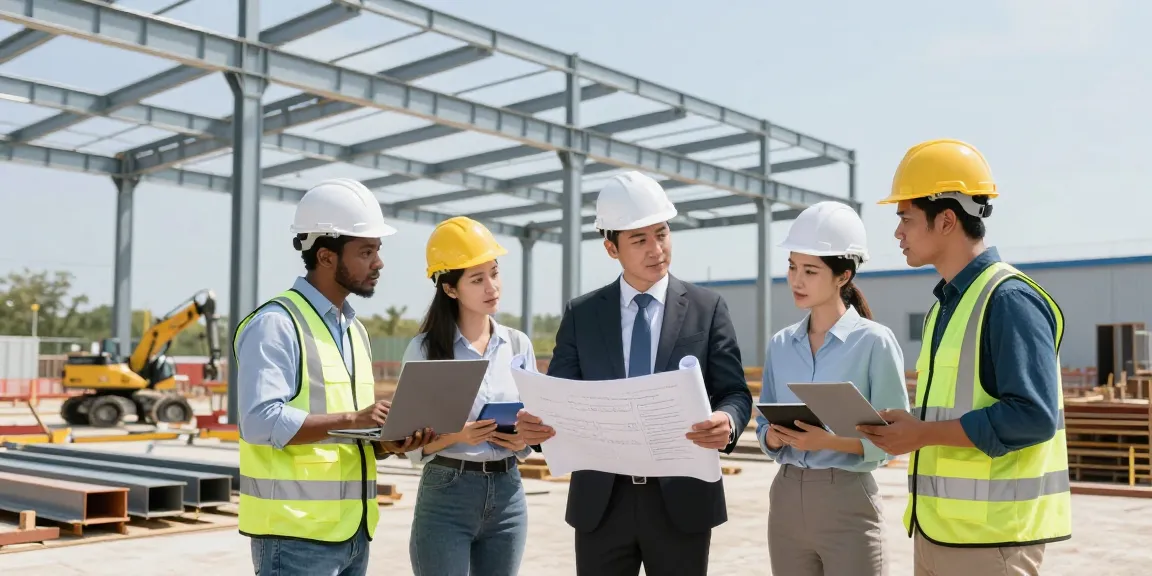
Understanding Pre-Engineered Buildings
Pre-engineered buildings (PEBs) represent a significant innovation in construction, offering remarkable flexibility and efficiency across various sectors. These structures are custom-designed in a factory setting, allowing for precise engineering and quality control before being assembled on-site. By utilizing advanced technology and materials, the construction process not only accelerates but also reduces waste, making PEBs a sustainable choice for modern building solutions. When exploring options, dpconsteel.in provides comprehensive insights into how these buildings can be tailored to meet diverse needs.
Definition and Key Features of Pre-Engineered Buildings
A pre-engineered building is a structure that is designed and manufactured in a factory, typically using steel or metal as the primary material. Unlike conventional buildings that are constructed on-site, PEBs consist of prefabricated components that are produced in bulk, including primary framing, secondary framing, and roof and wall panels. The key features of PEBs include:
- Customization: PEBs can be tailored to specific dimensions, load requirements, and architectural designs.
- Rapid Construction: With components pre-made, assembly at the site is swift, drastically reducing construction time.
- Durability: The materials used in PEBs are designed to withstand harsh weather conditions, ensuring longevity.
- Cost-Effective: Reduced labor and material costs contribute to the overall affordability of PEBs compared to traditional structures.
- Energy Efficiency: Many PEB designs incorporate insulation and energy-efficient features, leading to lower operational costs.
Benefits of Choosing Pre-Engineered Solutions
The advantages of opting for pre-engineered buildings extend beyond their initial construction. Businesses often experience long-term benefits, including:
- Flexibility: PEBs can be expanded or modified quickly to adapt to changing business needs or market demands.
- Reduced Downtime: Faster construction means businesses can begin operations sooner, minimizing downtime.
- Lower Operational Costs: Energy-efficient designs contribute to lower utility bills over the lifespan of the building.
- Minimal Maintenance: The durability of materials means less frequent repairs and maintenance are needed.
Common Misconceptions About Pre-Engineered Buildings
Despite the clear advantages, several misconceptions continue to overshadow the value of pre-engineered buildings:
- Only for Industrial Use: While commonly used in industrial settings, PEBs are suitable for various applications, including commercial and residential projects.
- Less Aesthetic Appeal: Modern technology allows for attractive finishes that can match or exceed traditional buildings.
- Quality Concerns: Factory-controlled conditions lead to higher precision and quality than many on-site constructions.
Industry Applications of DP Consteel Solutions
DP Consteel, a leader in pre-engineered building solutions, provides robust solutions across a wide range of industries. Their expertise in steel construction ensures that every project meets stringent quality and safety standards. This versatility positions DP Consteel as a premier choice for various applications.
Utilizing Pre-Engineered Structures in the Industrial Sector
In industrial settings, pre-engineered buildings serve multiple purposes, from manufacturing facilities to warehouses. Key benefits include:
- Large Open Spaces: PEBs can create expansive interiors without the need for numerous columns, ensuring flexibility in layout.
- Rapid Deployment: Industries can quickly establish new facilities to respond to market demand.
- Scalability: Businesses can expand their operations without significant disruptions.
Sports and Leisure: Innovative Building Solutions
Sports facilities are also a burgeoning area for pre-engineered buildings. DP Consteel has designed numerous sports complexes, gymnasiums, and leisure centers that require:
- Custom Designs: Tailored to meet specific sports requirements and spectator capacities.
- Durable Materials: Able to withstand high-impact activities and severe weather conditions.
- Cost-Effectiveness: Offering significant savings in both initial construction and long-term maintenance.
Institutional and Infrastructure Needs: Meeting Diverse Demands
The institutional sector—including schools, hospitals, and government buildings—benefits from the adaptability of PEBs. Notable features include:
- Compliance with Regulations: Ability to meet various building codes and regulations efficiently.
- Quick Assembly: Reducing the time needed to complete essential public services and facilities.
- Eco-Friendly Options: Many PEB designs can incorporate sustainable practices and materials.
Case Studies: Successful DP Consteel Projects
DP Consteel’s track record exemplifies their ability to deliver high-quality pre-engineered buildings across sectors. Through comprehensive project management, they ensure every client’s unique requirements are met.
Examining Projects Across Various Industries
From educational institutions to manufacturing facilities, DP Consteel has successfully completed numerous projects. For instance:
- Eco Green Foil Pvt. Ltd.: This project showcased a state-of-the-art manufacturing plant designed for efficiency and scalability.
- Irrilink Drip Irrigation Pvt. Ltd.: DP Consteel delivered an innovative production facility that supports sustainable agricultural practices.
- Santoktara Jain Charitable Trust: A community-focused project that included recreational and educational facilities enhancing community engagement.
Innovative Designs Transforming Spaces
Through cutting-edge architectural designs, DP Consteel has successfully transformed traditional spaces into modern, functional environments. Their focus on aesthetics alongside functionality ensures a holistic approach to building design.
Feedback from Trusted Clients of dpconsteel.in
Clients consistently express satisfaction with DP Consteel’s services, citing quality materials, timely delivery, and exceptional customer support. This reinforces their reputation as a trusted name in the pre-engineered buildings sector.
Designing and Implementing a Pre-Engineered Building
The process of designing and implementing a pre-engineered building involves several critical steps, ensuring that the final structure meets all specifications and requirements.
Step-by-Step Guide to Building with DP Consteel
- Initial Consultation: Discussing project needs, budget constraints, and desired timelines with DP Consteel’s experts.
- Design Phase: Collaborating on blueprints that encompass all client specifications and local building codes.
- Material Selection: Choosing the right materials that balance cost, durability, and aesthetic appeal.
- Production and Assembly: Manufacturing components in the factory, followed by on-site assembly, ensuring quality control.
- Final Inspection: Conducting thorough checks to ensure compliance with the agreed specifications and safety standards.
Key Considerations During the Design Phase
During the design phase, several crucial factors must be considered:
- Load Requirements: Assessing the structural load to ensure integrity and safety.
- Site Conditions: Analyzing geographical and environmental conditions that may impact design choices.
- Future Expansion: Planning for potential future growth to avoid costly renovations later.
Choosing the Right Materials and Techniques
Selecting appropriate materials and construction techniques is vital in enhancing the building’s sustainability and performance. DP Consteel focuses on:
- High-Quality Steel: Sourcing durable materials that withstand the test of time.
- Eco-Friendly Options: Incorporating sustainable practices during the design and production processes.
- Advanced Construction Techniques: Utilizing the latest technology to streamline the building process and improve quality.
Future Trends in Pre-Engineered Construction
The future of pre-engineered buildings holds exciting potential as technology advances and sustainability becomes a core focus in construction practices.
Emerging Technologies in Building Design and Construction
Technological innovations are set to revolutionize how buildings are designed and constructed. Key trends include:
- Digital Twins: Utilizing simulation tools to create digital counterparts of buildings that allow for better planning and monitoring.
- 3D Printing: Exploring additive manufacturing to create complex building components efficiently.
- Smart Building Technologies: Integrating IoT devices that enhance energy efficiency and operational effectiveness.
Sustainability and Eco-Friendly Approaches
With growing awareness of environmental impact, the demand for sustainable building solutions is surging. Future trends may emphasize:
- Green Certifications: Striving for LEED or similar certifications to demonstrate environmental commitment.
- Recyclable Materials: Using materials that can be repurposed or recycled in future construction projects.
- Energy Efficiency Technologies: Incorporating solar panels, energy-efficient HVAC systems, and smart glass.
What to Expect in 2026 and Beyond
As we look ahead to 2026, the focus will shift towards more automated, efficient construction methodologies alongside sustainable practices. The continual evolution of design technologies promises to deliver even higher performance standards in pre-engineered buildings.
FAQs
What are the advantages of pre-engineered buildings?
The primary advantages include cost savings, reduced construction time, lower maintenance requirements, and flexibility in design. These factors make pre-engineered buildings an increasingly popular choice across numerous industries.
How does DP Consteel ensure quality in its projects?
DP Consteel maintains rigorous quality control measures throughout every stage of production and construction, ensuring compliance with industry standards and client specifications.
What industries can benefit from DP Consteel’s solutions?
DP Consteel’s solutions apply to a myriad of sectors, including industrial, commercial, sports and leisure, institutional, and infrastructural projects, providing tailored solutions to meet diverse building needs.
What are the typical lead times for pre-engineered structures?
Lead times can vary based on project complexity but generally range from a few weeks to several months, depending on design specifications and manufacturing capabilities.
How do costs compare between traditional and pre-engineered buildings?
Pre-engineered buildings often present a more cost-effective solution than traditional construction, primarily due to reduced labor costs, shorter construction times, and lower material waste.